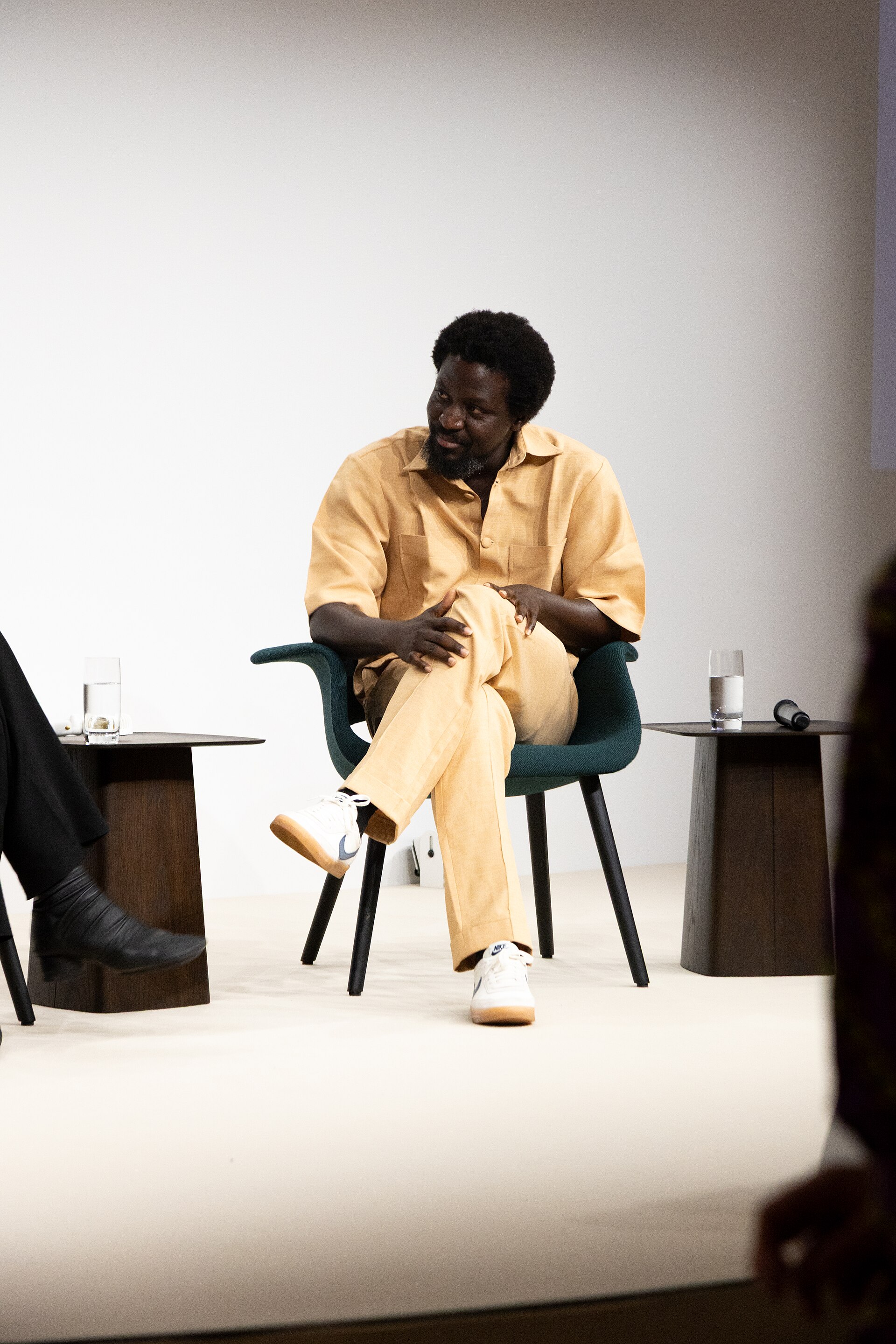
Cameroonian-born artist Tanka Fonta has received the Wi Di Mimba Wi Prize, a commission supporting artists of colour based in Germany. Awarded by AKB Stiftung and SAVVY Contemporary, it supports new work and a year-long working grant. The announcement highlights a practice spanning visual art, sound and philosophy, with memory and perception among its recurring concerns.
Olukemi Lijadu discusses Feedback, her Spike Island exhibition, through the personal histories and sonic exchanges connecting Lagos, Bristol and the wider Black Atlantic. The interview explores how original and archival footage, filmmaking and a sculptural sound system work together, treating contradiction and memory as active materials rather than histories that can be neatly resolved.
Contemporary And (C&)·
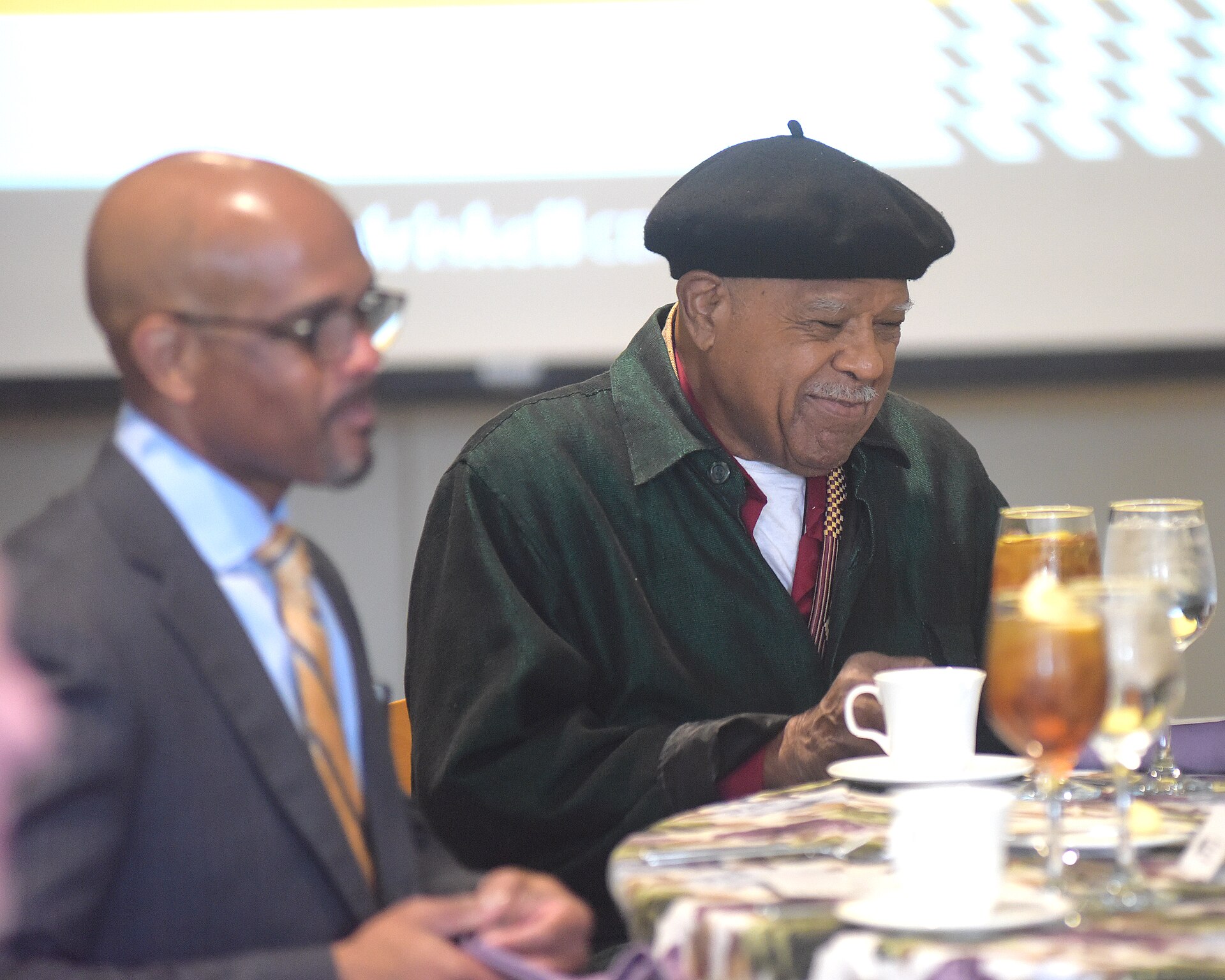
Melvin Edwards (right) at the University of Maryland, College Park, at an event honoring David C. Driskell, 4 April 2024.Tom Nappi · CC BY 2.0
C& remembers sculptor Melvin Edwards, whose welded-steel works connected abstraction with histories of racial violence, labour and diaspora. The obituary traces his Lynch Fragments, teaching and exhibitions alongside enduring relationships with West Africa, including a home and studio in Dakar. It presents those exchanges as central to a practice developed across decades.
Contemporary And (C&)·
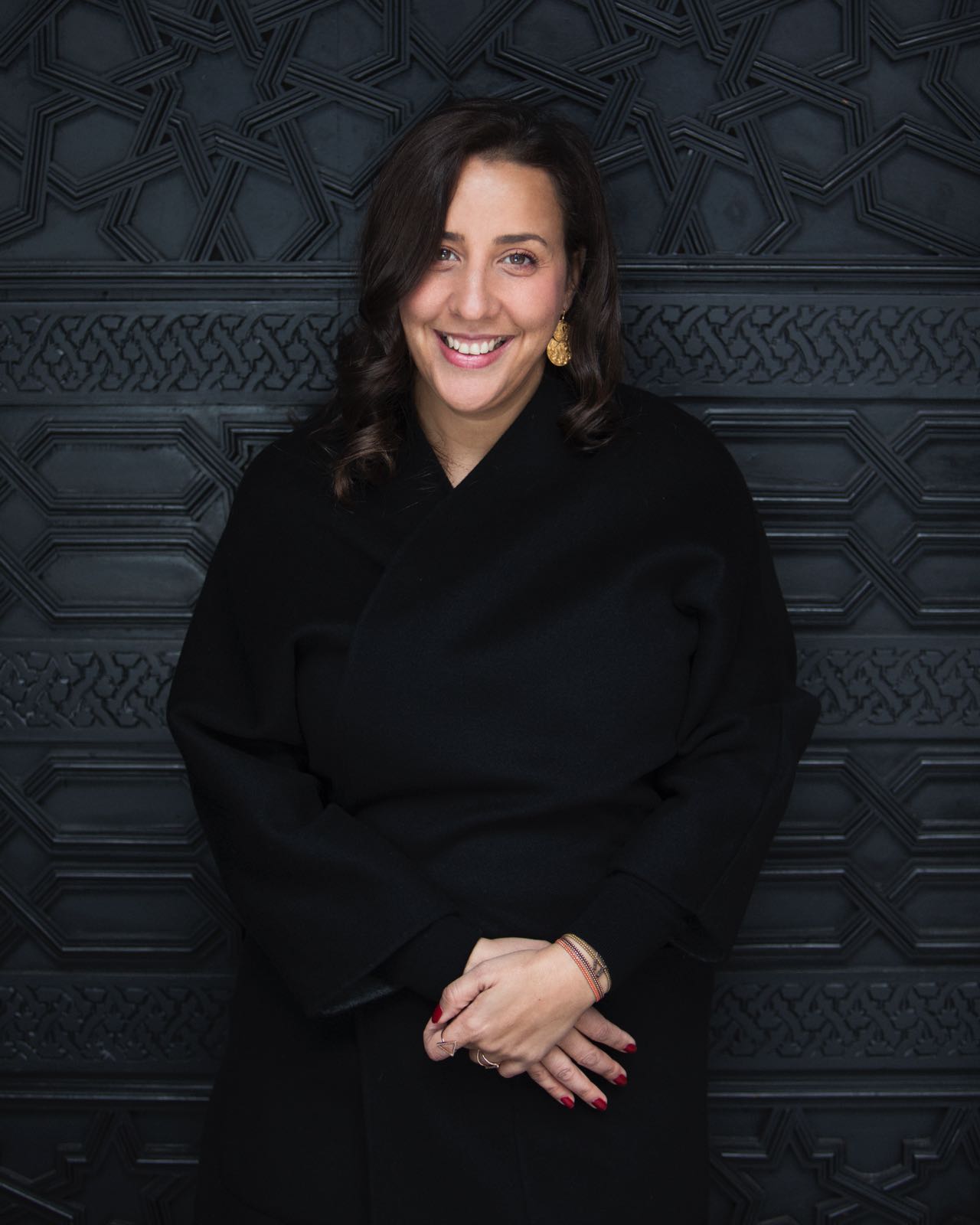
Touria El Glaoui, founder of 1-54, on 1 October 2021. Contextual portrait, not a photograph of the 2026 Marrakech fair. Photo: Editvipcontent / Wikimedia Commons / CC BY-SA 4.0.Editvipcontent · CC BY-SA 4.0
Harriet Nyarko Agyiri previews 1-54 Marrakech’s 2026 edition through its Moroccan galleries, international exhibitors and wider city programme. Alongside booths at La Mamounia, the article highlights projects involving installation, textiles and sculpture, as well as talks on archives and artistic mobility. It offers an overview of how the fair connects with Marrakech’s cultural institutions.
ART AFRICA interviewed curator Oluremi C. Onabanjo about Ideas of Africa: Portraiture and Political Imagination, which opened at New York’s Museum of Modern Art in December 2025. She discussed photographic portraits as collaborations between sitters and image-makers rather than straightforward records of identity. Bringing African and diasporic photographs into dialogue, the exhibition explored how images circulated across regions and how curators can acknowledge gaps in photographic archives without closing down interpretation.
In a December 2025 review for Contemporary And, Roli O’tsemaye reflected on the Re:assemblages Symposium in Lagos. Convened by G.A.S. Foundation and Yinka Shonibare Foundation, the gathering explored African and diasporic art archives through performances, workshops and discussion. The review described artist-led approaches to memory and shared custodianship, alongside the launch of the African Arts Libraries Lab.
Jasmine Weber’s Hyperallergic review examined the first monograph devoted to Coreen Simpson, published in Aperture’s Vision & Justice series. Covering street portraits, nightlife and celebrity photographs, the book placed her decades-long documentation of Black style alongside her work as a jewellery designer. Weber connected Simpson’s intimate, dignified portrayals to wider diasporic photographic traditions, showing how everyday self-presentation can become a sustained form of cultural memory.
Valentina Di Liscia reported for Hyperallergic that Nnena Kalu won the 2025 Turner Prize, becoming its first recipient with a learning disability. Born in Glasgow to Nigerian parents, the London-based artist builds sculptures through repeated wrapping, knotting and coiling, with related circular gestures in her drawings. Her nomination recognised work shown at Manifesta 15 and Liverpool’s Walker Art Gallery, bringing sustained attention to an established, distinctive practice.
Clara Maria Apostolatos’s Hyperallergic review read MoMA’s Wifredo Lam retrospective as a reassessment of an artist once marginalised within the museum’s modernist narrative. She traced Lam’s engagement with African and Afro-Caribbean traditions without reducing him to a follower of European Surrealism. The review also questioned how fully the galleries addressed the racialised frameworks surrounding his career, finding richer treatment of some of those tensions in the catalogue.
Hyperallergic·
Ibrahim Mahama at Art Basel in June 2025. The Power 100 announcement is not pictured.Bea Phi · CC BY-SA 4.0 · Cropped
ArtReview placed Ibrahim Mahama first in its 2025 Power 100, citing both his artistic practice and his support for cultural infrastructure. The magazine highlighted the Ghanaian artist’s investment in Red Clay Studio, the Savannah Centre for Contemporary Art and Nkrumah Volini in Tamale.
ART AFRICA interviewed curator Larissa-Diana Fuhrmann about Sudan Retold, an exhibition and publication developed with Khalid Albaih and Rahiem Shadad. The 2025 London presentation at Almas Art Foundation combined photographs, paintings, drawings and multimedia work. Fuhrmann described a collaborative process involving family conversations, personal archives and imaginative storytelling. She distinguished the project’s artistic approach from a conventional history book, explaining how exhibition-making created space for Sudanese communities to share and extend these narratives.
In a November 2025 essay for Contemporary And, Afi Venessa Appiah connected Black Canadian publishing histories with contemporary artist-book production and archival practice. Discussing Anteism Books, Artexte and her own imprint, she explored how small presses, tactile formats and digital tools can support cultural memory and the circulation of underrepresented work.
Hiba Baddou discussed Paraboles, A Hertzian Odyssey with ART AFRICA during its 2025 run at MACAAL in Marrakech. Through film, photography, calligraphy and installation, the Moroccan artist explored how communications technology intersects with memory and domestic life. Her work Kesskass transformed a couscoussier into an antenna. Baddou described this meeting of familiar objects and imagined technologies as a way to connect cultural inheritance with possible futures.
Osei Bonsu discussed Tate Modern’s Nigerian Modernism with ART AFRICA in November 2025. Co-curated with Bilal Akkouche, the London exhibition brought painting, sculpture, photography, ceramics and textiles into dialogue across generations. Bonsu explained the importance of the Zaria Art Society’s Natural Synthesis and the contributions of Ladi Kwali and Nike Davies-Okundaye. His account situated Nigerian artistic experimentation within local cultural knowledge and international exchange, rather than presenting modernism as a single imported model.
In ART AFRICA, curator Koulla Xinisteris discussed Still We Rise, a 2025 exhibition at Johannesburg’s Keyes Art Mile bringing together the Ifa Lethu Foundation and SABC Art collections. The selection focused on works made during South Africa’s struggle era. Xinisteris explained how presenting the collections together opened conversations about memory, belonging and the public role of art collections, while giving audiences access to works that might otherwise remain in storage.
In an October 2025 contribution to C&, Maktaba Room described its month-long reading space at Düsseldorf’s ThisThat Gallery in August 2025, without specifying exact dates. Initiated by Cate Lartey and Donja Nasseri, the project brought together art, design and printed matter by African, Asian and diasporic authors. Its selections included Grace Wales Bonner’s MoMA publication and Project a Black Planet, treating books as resources for creative exchange rather than fixed displays.
ART AFRICA interviewed Senegalese curator Ousseynou Wade about More than Meets the Eye, the 2025 presentation of the CBH Bank Collection at Geneva’s Musée Rath. Co-curated with Jean-Yves Marin, the exhibition connected early modernists including Albert and Antoinette Lubaki with contemporary artists such as El Anatsui and Zanele Muholi. Wade explained how seven thematic sections brought different African artistic histories into conversation without treating the continent as a single cultural identity.
Speaking with Brendon Bell-Roberts for ART AFRICA in October 2025, Laila Hida described Sangeh Khara at the São Paulo Bienal. The Moroccan artist combined 16mm film, sound and a canopy of reused melhifa cloth to create an environment for reclining and watching. She connected the installation to research in Morocco and Mauritania, reflecting on how textiles, memory and moving images circulate between communities.
Suzette Bell-Roberts interviewed Togolese artist Sadikou Oukpedjo for ART AFRICA about 7 Billion People at the 36th São Paulo Bienal. The installation combined two paintings and a sculpture, using human, animal and hybrid forms to develop the artist’s own symbolic mythology. Oukpedjo described his intuitive approach to making and his wish to prompt viewers to reflect on responsibility and the possibility of change, rather than prescribing one interpretation.
Stephan Rheeder’s ART AFRICA interview explored Canon Griffin Rumanzi’s 2025 exhibition at the Nairobi Contemporary Art Institute. The Ugandan artist combined family photographs, public documents and other archival images into layered digital collages. With curator Trevor Mukholi and artist-researcher Andrea Stultiens, he discussed how these assemblages invite questions rather than claim to reconstruct the past. The conversation also examined History in Progress Uganda’s work in widening access to photographic archives.