Virginia MacKenny reported a cluster of new art-space initiatives in Durban in 2002. Junubi Afriqui Gallery had opened with a focus on contemporary Islamic art and skills development, while Joe Butler's planned Skati Urban Gallery combined exhibition space with other cultural facilities. A proposed Museum of Contemporary African Art remained at an early stage. The article captures local ambitions to widen opportunities for artists, while distinguishing established activity from projects still being planned.
Sabine Cessou profiles South African photographer Peter McKenzie, tracing the collective commitments of his Afrapix years into the post-apartheid period. He discusses teaching, the reassessment of photographers’ roles after 1994 and a twelve-photographer project documenting children across South Africa at the turn of the millennium.
Alexandre Mensah reports on the Musée Dapper’s reopening in Paris after a two-year closure. He describes Alain Moatti’s redesign, developed with director Christiane Falgayrettes-Leveau, and the enlarged museum’s combination of collection galleries, a performance hall and space for contemporary photography and painting.
Jacques Binet profiles Rajae Faddi Salam, Martine Nze and Mam Këk, considering their different routes into painting and approaches to colour, form and personal experience. The original Africultures article offers a period account of three individual practices connected to Morocco and Gabon, rather than a single school or shared style.
Daniel Kondor reports on the third Bamako photography encounters, where Ghana received special attention and North African participants joined for the first time. Studio portraiture, initiation rituals and images of postwar Mozambique offered competing accounts of contemporary African life, while discussions exposed photographers’ uneven access to digital technology.
Erika Nimis looks beyond Bamako’s international photography showcase to the working lives of local image-makers. Her report examines scarce materials, commercial portraiture and the ambitions of Alioune Bâ, the Djaw collective and street photographer Arouna Diarra, revealing how artistic experimentation and everyday livelihoods intersect in the city.
Africultures·
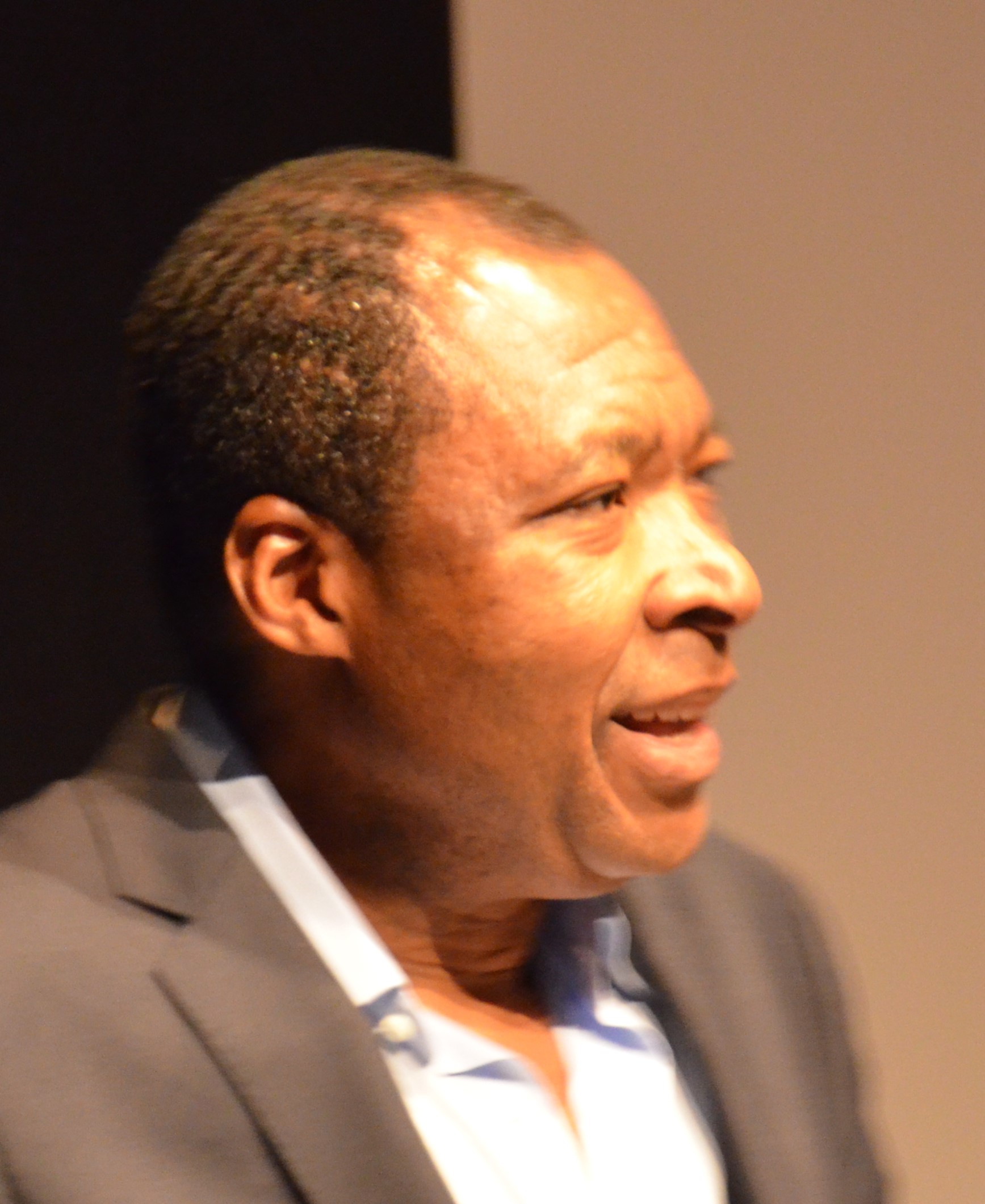
Okwui Enwezor at Moderna Museet in Stockholm in 2014. Contextual portrait; not a photograph of the 1997 Johannesburg Biennale.Bengt Oberger · CC BY-SA 4.0
ArtThrob’s October preview mapped the second Johannesburg Biennale under Nigerian artistic director Okwui Enwezor. Trade Routes: History and Geography brought artists from sixty-three countries into six core exhibitions across Johannesburg and Cape Town, alongside films and public interventions. The programme included Kay Hassan, Moshekwa Langa, Bernadette Searle and other South African practitioners.