In an interview with Jacques Binet, gallery owner Antoinette Jean describes how literature led her to Haitian painting. She discusses Saint Soleil, spiritual imagery and questions of attribution, while stressing the dignity and individuality of the artists whose work she presents.
Africultures·
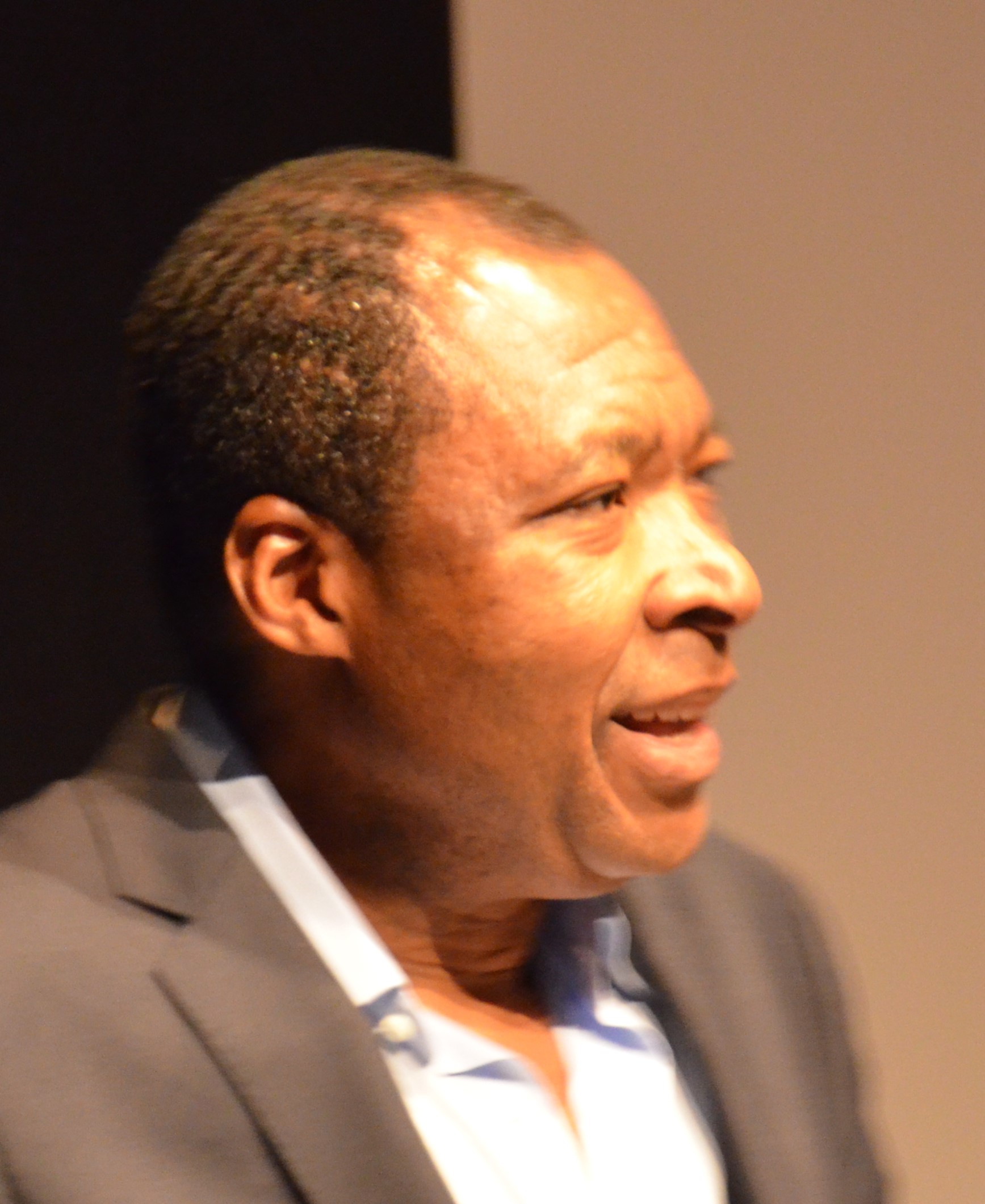
Okwui Enwezor at Moderna Museet in Stockholm in 2014. Contextual portrait; not a photograph of the 1997 Johannesburg Biennale.Bengt Oberger · CC BY-SA 4.0
ArtThrob’s October preview mapped the second Johannesburg Biennale under Nigerian artistic director Okwui Enwezor. Trade Routes: History and Geography brought artists from sixty-three countries into six core exhibitions across Johannesburg and Cape Town, alongside films and public interventions. The programme included Kay Hassan, Moshekwa Langa, Bernadette Searle and other South African practitioners.
The Museum of Modern Art’s March 1971 announcement presents Richard Hunt’s first major museum retrospective, bringing together fifty sculptures alongside drawings and prints. The release traces his movement from found metal toward open, linear forms and larger architectural structures. Studies for public commissions show an expanding scale of practice. The document records an exhibition planned for New York before a further presentation in Chicago, where Hunt lived.
By AFROSCOPE Daily·Source: The Museum of Modern Art·
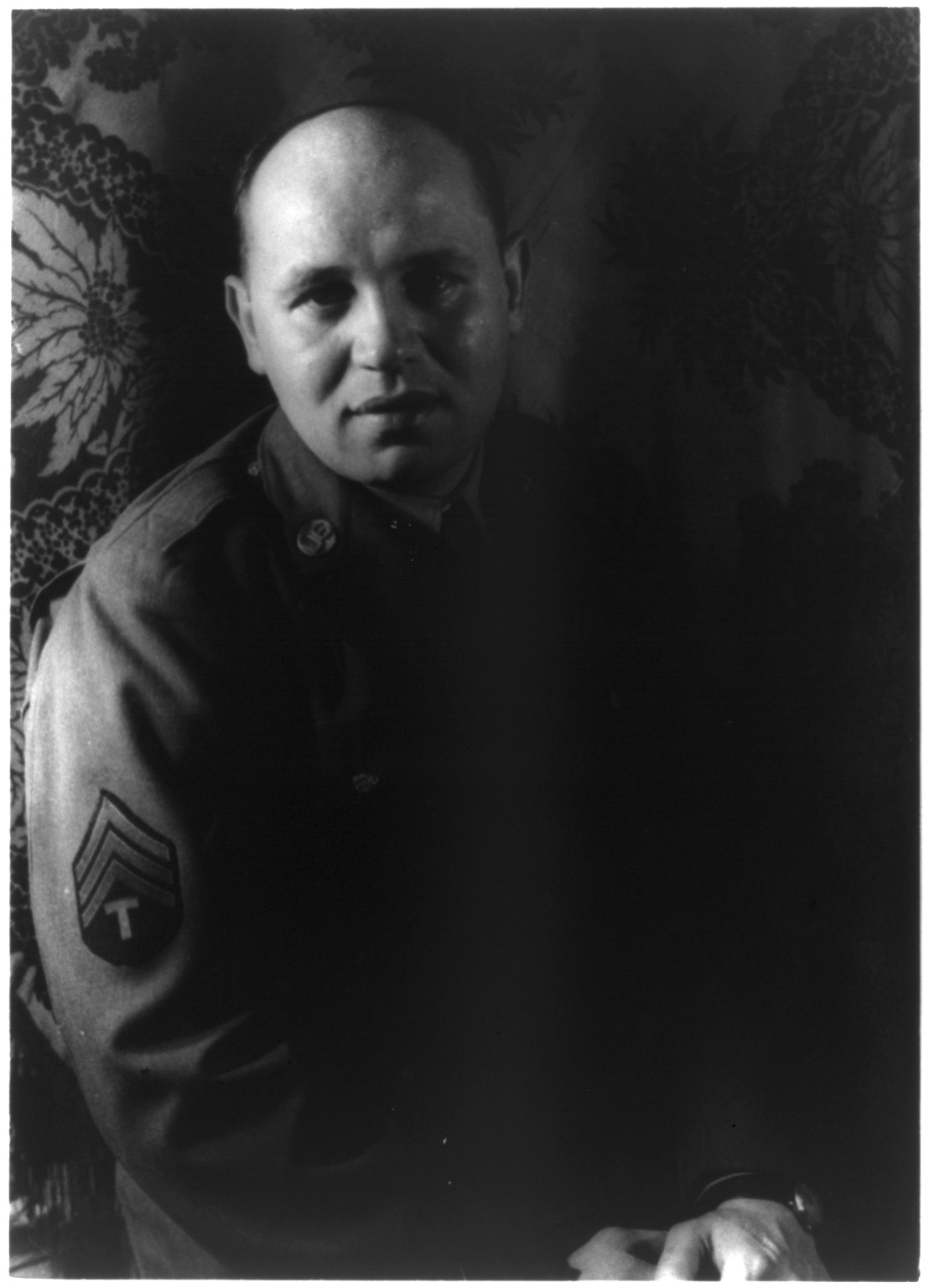
Romare Bearden in 1944, photographed by Carl Van Vechten. Library of Congress, Prints & Photographs Division, Carl Van Vechten Collection, LC-USZ62-42507. Contextual portrait; not a photograph of the 1971 exhibition.Carl Van Vechten · Public domain
The Museum of Modern Art’s advance fact sheet presents Romare Bearden’s collage as an exploration of everyday Black life, from music and worship to family meals. Guest director Carroll Greene assembled fifty-six works, including enlarged collages and The Block, an eighteen-foot mural accompanied by sound. The historical announcement also records planned presentations in Washington and Berkeley.
By AFROSCOPE Daily·Source: The Museum of Modern Art·
The Museum of Modern Art’s announcement records a Harlem park mural developed from paintings by seven young artists. Betty Blayton Taylor selected their designs through the Children’s Art Carnival, and twenty youngsters worked with three teachers to paint the ninety-foot wall. The account describes paid youth participation and a mural intended to serve as a setting for outdoor plays. MoMA’s archive catalogues the document to 1971; an exact issue date is not established.
By AFROSCOPE Daily·Source: The Museum of Modern Art·
The Museum of Modern Art’s 1952 recent-acquisitions checklist includes Wilson Bigaud’s Murder in the Jungle and Enguerrand Gourgue’s Magic Table, both acquired through the Inter-American Fund. Their presence within an international display documents the museum’s engagement with modern Haitian painting. This is a contemporary acquisition record, rather than a later account of the artists’ reputations.
By AFROSCOPE Daily·Source: The Museum of Modern Art·
The Museum of Modern Art’s announcement of 18 October 1937 records an exhibition of William Edmondson’s limestone sculptures, including biblical figures, animals and portraits of community roles. The museum describes the Nashville artist’s move from tombstone carving into sculpture. The historical document also shows the racial and “primitive” categories through which the institution framed his work.
By AFROSCOPE Daily·Source: The Museum of Modern Art·
The Museum of Modern Art’s March 1935 announcement proposed an exhibition of 603 African objects from museum and private collections. Sculpture and masks were to appear alongside musical instruments and everyday objects such as spoons and headrests. The release related African artistic forms to modern European art. Read today, it documents both the planned exhibition and a period museum viewpoint that needs critical historical context.
By AFROSCOPE Daily·Source: The Museum of Modern Art·