In July 2023, Zeitz MOCAA announced two exhibitions examining cultural solidarity and political struggle: Past Disquiet and Seismography of Struggle. The former included research on art opposing apartheid; the latter assembled journals associated with liberation movements across Africa, Asia and the Americas. A symposium and the publication Radical Solidarity: A Reader accompanied the programme, extending conversations begun during the museum’s online gathering in 2020.
Zeitz MOCAA·
James Barnor, photographed in 2019. His 2023 Detroit retrospective is not pictured.CPFGalerie · CC BY-SA 4.0 · Cropped
ART AFRICA announced James Barnor’s first United States retrospective at the Detroit Institute of Arts. The exhibition’s programme spanned Ghana and the African diaspora in Britain, tracing social change through portraiture, journalism and fashion, alongside plans to recreate the photographer’s early studio environment.
Zeitz MOCAA’s November 2022 announcement outlined When We See Us: A Century of Black Figuration in Painting, bringing nearly 200 works by 154 artists into dialogue. Curated by Koyo Kouoh and Tandazani Dhlakama, the Cape Town exhibition approached Black self-representation through themes including everyday life, joy, spirituality and emancipation. A publication and discussion programme accompanied the exhibition, which was scheduled to open on 20 November 2022.
Zeitz MOCAA·
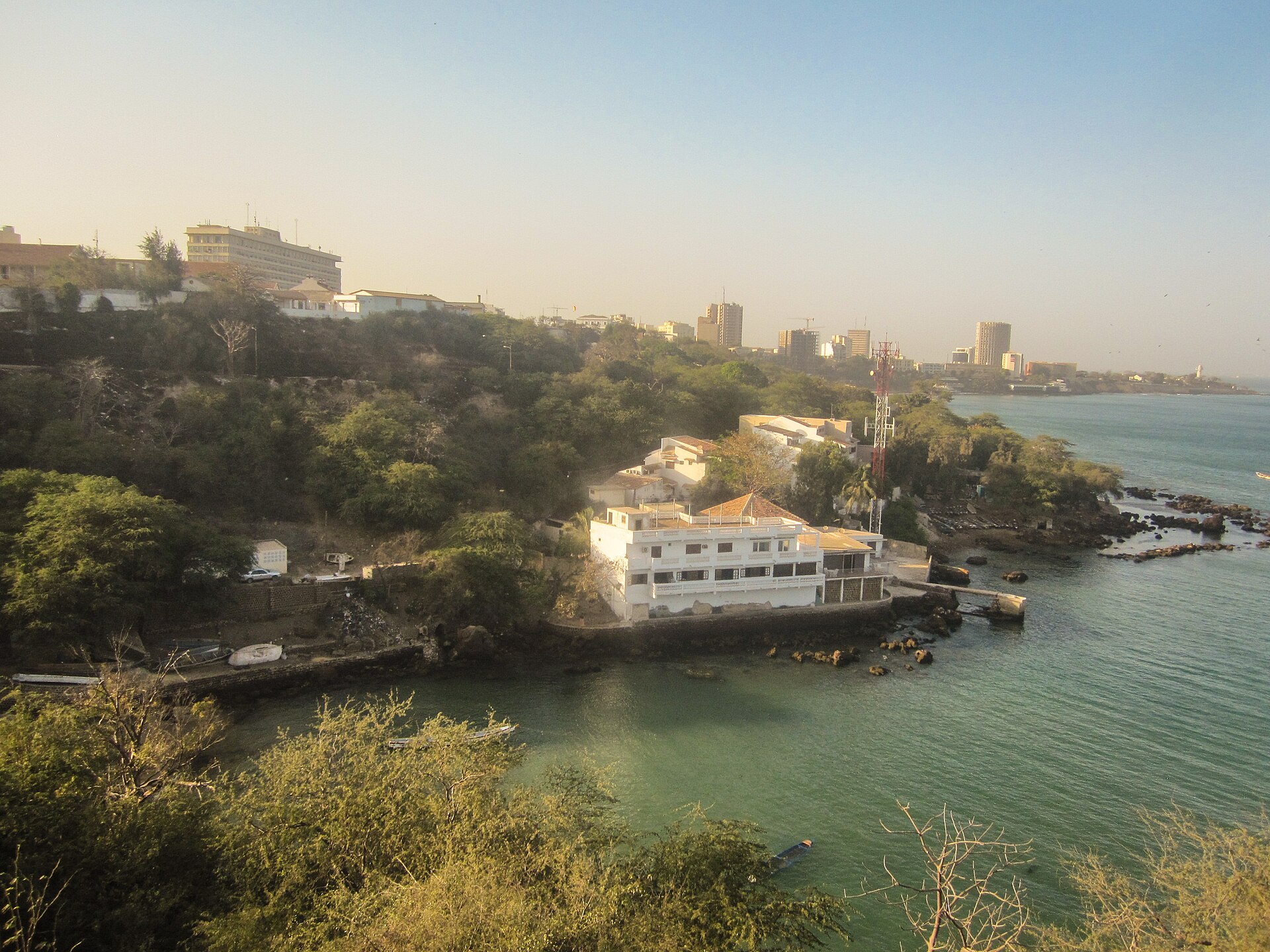
Dakar’s Corniche Est, photographed in 2013. This is an archival city view, not a photograph of the 2022 biennale.jbdodane · CC BY 2.0 · Cropped
ART AFRICA outlines plans for the postponed fourteenth Dakar Biennale under the theme Ĩ NDAFFA #, associated with forging and transformation. The announcement describes an international exhibition, invited curators and projects extending into Dakar’s public spaces, alongside programmes intended to engage audiences across Senegal.
Zeitz MOCAA’s February 2022 programme paired Tracey Rose’s retrospective Shooting Down Babylon with Goldendean’s inflatable installation Soft Vxnxs. The museum described Rose’s work as a complex engagement with contemporary political and social questions. Goldendean invited visitors to touch the sculpture, using physical presence and participation to explore visibility, embodiment and the entitlement to occupy space. The announcement scheduled the exhibitions to open three days apart.
Zeitz MOCAA’s January 2022 release announced Shooting Down Babylon, a large retrospective of South African artist Tracey Rose. The museum described a presentation spanning three decades and bringing together performance, film, installation and other media to examine liberation, colonial legacies and the body. It also announced new Mandela Balls commissions, positioning Rose’s confrontational and often satirical practice within a broader discussion of resistance and reckoning.
Zeitz MOCAA’s 2021 announcement introduced Only Sun in the Sky Knows How I Feel, a survey of Johannes Phokela’s painting spanning three decades. Alongside earlier work, the exhibition included new large canvases and archival material illuminating his process. The museum framed his engagement with European pictorial traditions as a means of questioning power and inherited value systems. Koyo Kouoh and Storm Janse van Rensburg co-curated the presentation.
Zeitz MOCAA announced Thania Petersen’s KASSARAM as an open-studio residency running from 27 May to 17 October 2021. Centred on her film of the same name, the project examined how representations of culture can create divisions and obscure community histories. The Cape Town artist planned to develop the film’s imagined setting within the museum, giving visitors access to research and making connected to her heritage and identity.
Zeitz MOCAA announced Senzeni Marasela’s first museum solo exhibition for December 2020. Waiting for Gebane centred on Theodorah, an alter ego inspired by the artist’s mother, whose search for an absent husband unfolds through photographs, textiles and performance. The presentation connected this narrative with Marasela’s sustained use of ishweshwe dresses, examining memory, waiting and the experiences of Black women in South Africa.
As part of Home Is Where the Art Is, Zeitz MOCAA outlined three late-2020 discussions on the relationship between art and Cape Town’s communities. The panels addressed care after lockdown, exclusion and representation in the arts, and the conditions needed for a more accessible local art environment. Participants included Bonolo Kavula, Haroon Gunn-Salie and Neo Maditla, with contributions from museum educators and curators.
Zeitz MOCAA presented Alfredo Jaar’s The Rwanda Project in November 2020, drawing on work developed after his 1994 visit to Rwanda and neighbouring countries. The museum described the exhibition as an examination of genocide, collective responsibility and the limits of representing trauma. Curated by Koyo Kouoh and Storm Janse van Rensburg, it considered how distant audiences encounter suffering and how images can register, or fail to register, historical violence.
In September 2020, Zeitz MOCAA announced a five-day online Radical Solidarity Summit linking artists, writers, curators and activists. Its programme addressed Pan-African resistance, publishing, collective practice, urban space and possible cultural futures during the pandemic. Participants included Achille Mbembe, Nontsikelelo Mutiti and Emeka Okereke, while Ghana’s blaxTARLINES KUMASI was invited to take over the museum’s Instagram account during the 14–18 September gathering.
In an August 2020 statement, Zeitz MOCAA said it remained closed because of the pandemic while preparing for a safe return. Koyo Kouoh also announced that the museum’s William Kentridge exhibition, Why Should I Hesitate: Putting Drawings to Work, would travel to Hamburg’s Deichtorhallen that October. Meanwhile, the institution continued online talks, art-making activities and performances while reorganising its exhibition programme.
In a June 2020 statement, Zeitz MOCAA expressed solidarity with Black people confronting racism and police brutality, connecting events in the United States with enduring inequalities in South Africa and Cape Town. The museum said it would continue discussions of solidarity through its exhibitions and public programme, and reaffirmed a commitment to addressing racism and sexism within its work on African and diaspora art.
In a statement published in March 2020, Zeitz MOCAA announced a temporary closure during the COVID-19 crisis and said it was reassessing exhibitions and public programmes with artists and partners. The museum offered refunds or later admission for affected ticket holders and kept staff available online. This historical notice records the institution’s pandemic response; it does not describe the museum’s present opening arrangements.
ArtThrob announced a February 2020 gathering at Cape Town’s A4 Foundation devoted to Ernest Mancoba. Convened by Winnie Sze and Nomusa Makhubu, the programme combined scholarly presentations with artistic and musical responses to his work. Participants included Chika Okeke-Agulu, Same Mdluli and Dorthe Aagesen. The organisers aimed to encourage greater engagement in South Africa with an artist whose international recognition had recently grown.
ArtThrob’s January 2020 programme announcement outlined talks curated by Tumelo Mosaka for Investec Cape Town Art Fair. Sessions addressed philanthropy, collecting, museums and the sustainability of independent art platforms, alongside conversations with artists. The published roster included Malebona Maphutse, Thenjiwe Niki Nkosi, Kemang wa Lehulere and François-Xavier Gbré. This is a historical account of the announced programme, not a current schedule.
ArtThrob·
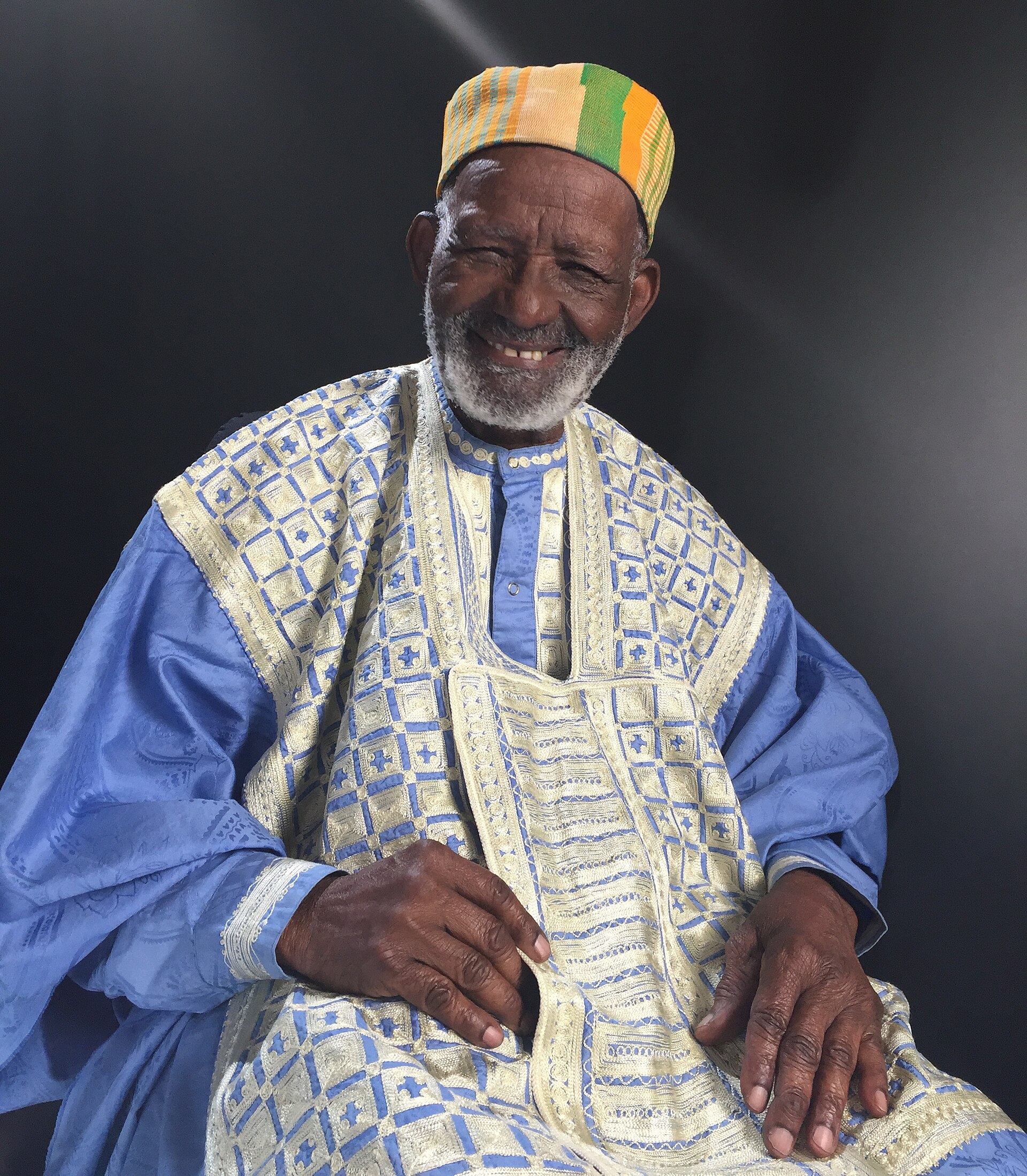
Abdoulaye Konaté, photographed in February 2020. His monumental Zeitz MOCAA commission is not pictured.KAG1LP2MDIAKITE · CC BY-SA 4.0 · Cropped
Zeitz MOCAA announced a monumental textile commission by Malian artist Abdoulaye Konaté for its atrium. Composed of coloured fabric strips and conceived for the museum’s architecture, the work honours Youssouf Tata Cissé and Germaine Dieterlen while drawing on histories of knowledge, writing and symbolism.
In April 2018, the National Gallery of Jamaica announced the return of John Dunkley: Neither Day nor Night after its presentation at Pérez Art Museum Miami. Scheduled for April 29 through July 29, the Kingston exhibition brought together 34 paintings and nine sculptures by the self-taught Jamaican artist. Nicole Smythe-Johnson was to oversee the local installation with the gallery’s curatorial team, alongside an accompanying monograph.
The National Gallery of Jamaica’s November 2012 announcement set out a biennial combining invited artists with a juried section open to Jamaican artists and artists living in Jamaica. Scheduled from December 9 to March 9, 2013, it also included tributes to recent Musgrave medal recipients Omari S. Ra, Bryan McFarlane and Ebony G. Patterson. Participants were eligible for the Aaron Matalon Award and consideration for acquisition awards.