ART AFRICA describes Sonja John’s Balikbayan installation at the Katonah Museum of Art as an exploration of migration and Caribbean family memory. Collage, stencils and light connect architectural shapes with plant imagery, drawing on relationships between New York, Jamaica, Trinidad and Tobago, and the Philippines. Visitors can also take part in mixed-media activities and a collaborative light installation. The exhibition runs until 24 January 2027.
Intermittent Islands at New York’s Katonah Museum of Art brings together Belkis Ayón, Yanira Collado, Marielle Plaisir and Lisa C Soto. ART AFRICA describes an exhibition connecting Caribbean displacement and cultural memory through printmaking, textiles, found materials and installation. Ayón draws on Afro-Cuban spiritual traditions, while Plaisir examines race and power; their works connect personal experience with wider histories of identity and belonging.
The Photographers’ Gallery in London presents Colour Years, an exhibition of Sanlé Sory’s colour photographs from Burkina Faso. ART AFRICA reports that the Burkinabé photographer began experimenting with colour in the mid-1980s at his Volta Photo studio in Bobo-Dioulasso. Curated by Taous Dahmani, the presentation includes restored prints and Volta Jazz record covers, examining portraiture, self-representation and everyday life after independence.
ART AFRICA reports on Torkwase Dyson’s first solo exhibition in Austria, at Kunsthaus Bregenz. Monumental sculptures, paintings, animation and sound examine how Black communities create spaces of autonomy within environments shaped by slavery and colonialism. Dyson’s large black sculptural forms and abstract compositions turn the museum itself into part of her inquiry into movement and belonging. The exhibition is reported on view until 24 January 2027.
ART AFRICA reports that Ayana Evans’s first museum survey at the Contemporary Art Museum St. Louis brings together performance documentation, videos, archival material and new work. Curated by Dean Daderko, the exhibition explores how race, gender and class influence visibility and self-expression. It includes her long-running Operation Catsuit project and an interactive installation inviting visitors onto a red carpet. The exhibition is reported on view until 7 February 2027.
Egyptian artist Rafik Greiss’s The City and the City at Berlin’s KW Institute for Contemporary Art combines a newly commissioned film with black-and-white photographs. ART AFRICA describes figures waiting in desert landscapes, accompanied by a score from musician 7038634357. Curated by Emma Enderby and Liberty Adrien, the exhibition considers anticipation, perception and the instability of memory through images that resist a fixed historical or geographical reading.
Africans Column explored Emily Alice Mitchell’s presentation with DēpART at FUZE Caribbean Art Fair in Nassau. Working across photography, collage and sculpture, the British-Caribbean artist brought family archives into dialogue with migration, memory and belonging. The feature examined how materials including wood, steel, beads and shells carry personal histories, and how sculptural gates incorporating Sankofa connect her Trinidadian family context with wider African diasporic traditions.
In an October 17 interview with ACP, Congolese visual artist Raphaëlla Anakasala outlined Fleuve coloré, a women’s art workshop planned in Kinshasa for October 30. She intended it to welcome participants without painting or drawing experience. The river would offer inspiration rather than a compulsory subject, allowing each participant to explore her own understanding of womanhood through an individual artwork.
South African artist Unathi Mkonto has won the Nicoletta Fiorucci Foundation Prize for his Goodman Gallery presentation at Frieze London, reports Shalom Esene in Art Report Africa. Nominated by Yinka Shonibare for the fair’s Artist-to-Artist section, Mkonto will share the £10,000 prize with the Yinka Shonibare Foundation. The award also includes a commission to be shown at the foundation in London in 2027; precise exhibition dates have not been announced.
Culture Congo reported on the ninth Lubumbashi Biennale, whose theme Manger la terre connects resource extraction with memory, territory and cultural knowledge. Curator Sorana Munsya outlined the exhibition’s concerns, while participating artists described projects addressing transformed landscapes, extractive promises and medicinal plants. Organised around Picha and partner venues across the city, the biennale was scheduled from 15 October to 15 November 2026.
Culture Congo·
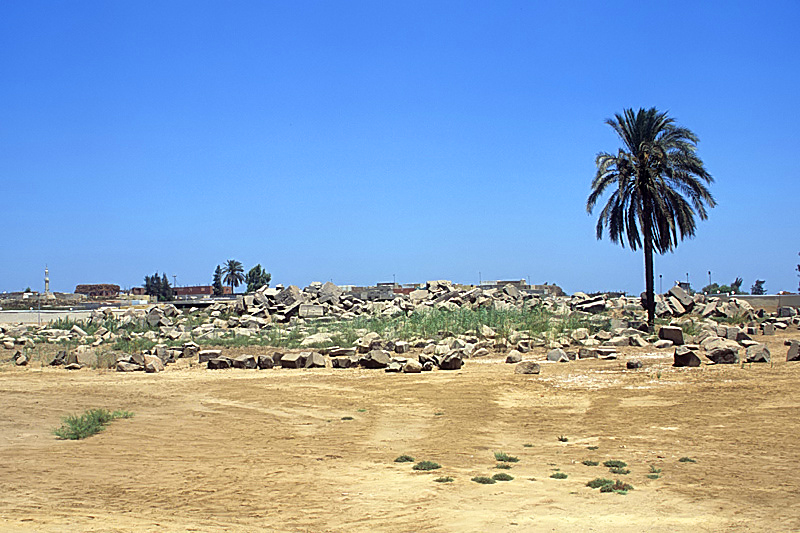
Behbeit el-Hagar, photographed in 2008. The newly reported Ramses II fragments are not pictured.Roland Unger · CC BY-SA 3.0 · Cropped
Hyperallergic reports that Egyptian antiquities officials recovered parts of two monumental statues of Ramses II at Behbeit Al-Hagar in the Nile Delta. Excavation followed a resident’s discovery of an inscribed stone. The find includes a large carved head and part of an inscribed back pillar.
Hyperallergic·
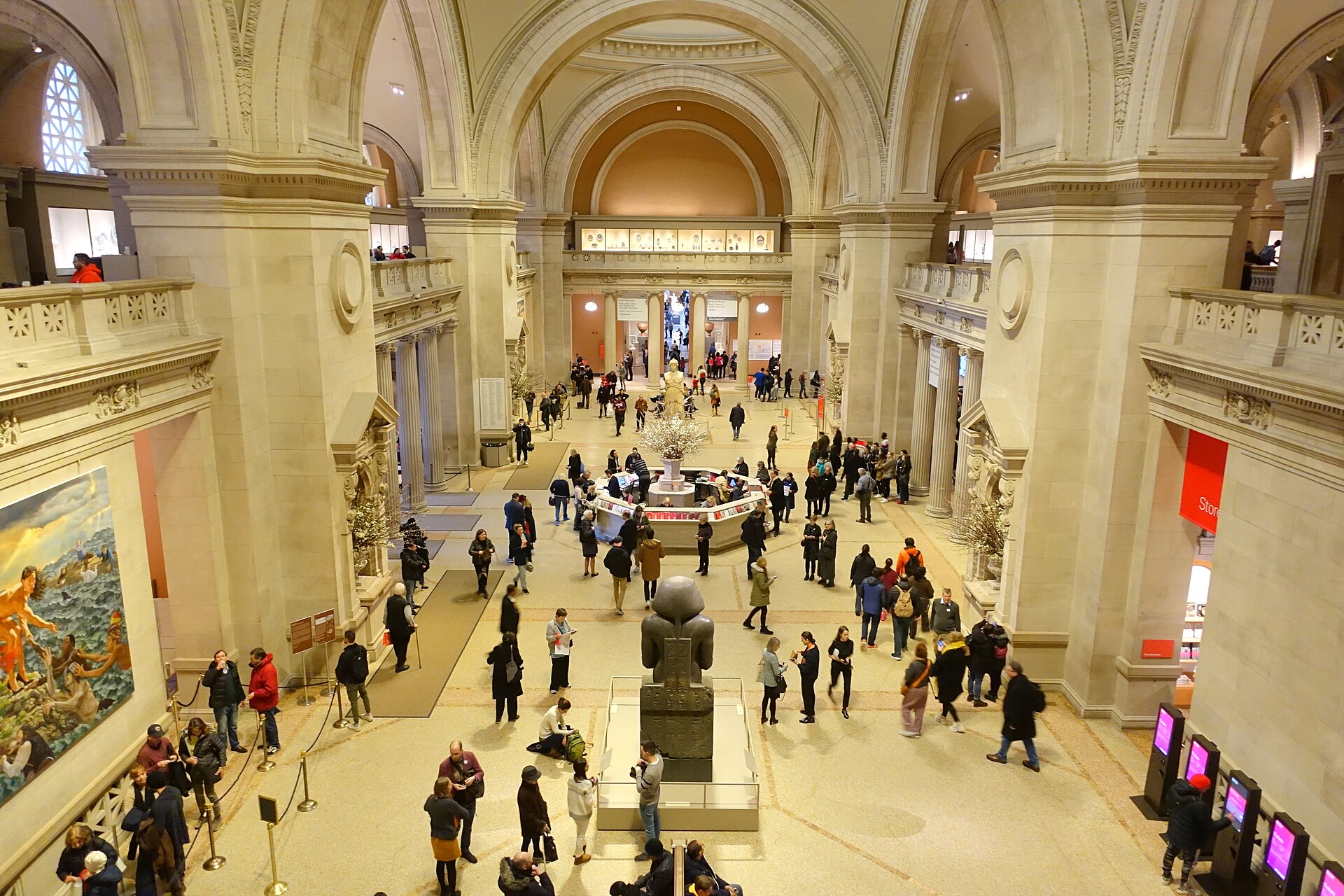
The Met’s Great Hall in 2020, where Sandra Mujinga’s commission is planned for November 2027. The future installation is not pictured.Daderot · CC0 · Cropped
Sandra Mujinga has been selected for the Metropolitan Museum of Art’s 2027 Great Hall commission, according to Hyperallergic. Her installation is planned for November 2027. The report describes her engagement with Afrofuturism, science fiction and postcolonial thought; Danh Vo receives the separate facade commission.
Hyperallergic·
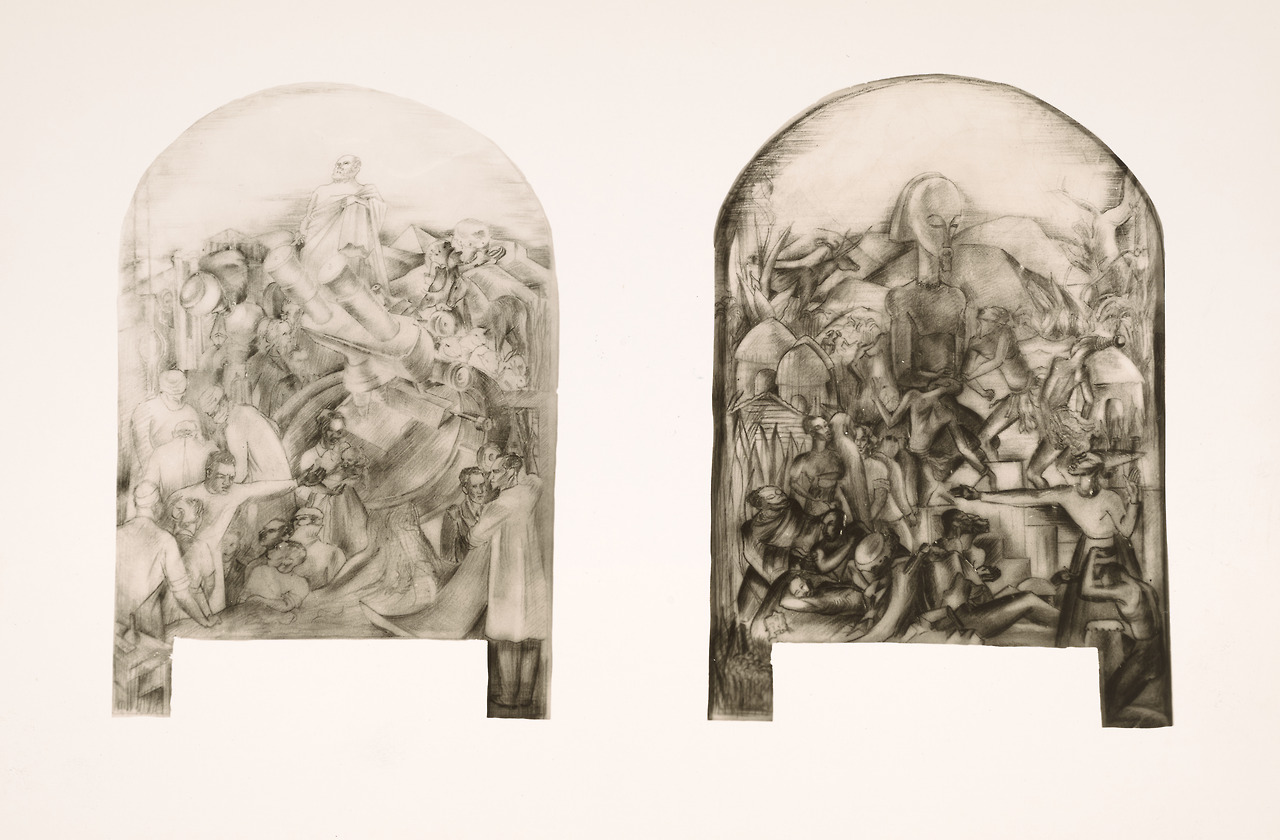
Charles Alston’s Harlem Hospital mural, photographed by Mark Nadir in 1936. This is an archival view, not a photograph of the 2026 restoration.Mark Nadir · Public domain
A conservation project at Harlem Hospital has restored murals by Charles Alston and Vertis Hayes, alongside a sculpture by John Rhoden. Hyperallergic places the work within the history of Black artists gaining access to federal public commissions during the New Deal.
Jazmine Hayes’s I Am Protected places four designs at the entrances of Brooklyn’s Brownsville Multi-Service Center through New York City’s Percent for Art programme. In Hyperallergic, Rhea Nayyar reports that Hayes intended the commission to offer children a sense of protection and community. ArtBridge describes her wider practice as exploring African-diaspora histories, inherited cultural traditions and Black women’s rituals of care.
APS reported on a Dakar discussion about Bocar Niang’s planned Musée griot.tes in Tambacounda, connecting oral traditions with contemporary art and museum practice. Niang described a resource space for griots, griottes, artists and researchers, while curator El Hadji Malick Ndiaye considered how museums might document performance and other living practices. The project’s inauguration was announced for 3 December; the roundtable examined its approach to preserving and transmitting memory.
ArtReview reports that Rubaiya Qatar’s first edition in Doha will bring together more than 120 artists through three exhibitions and public installations. African participants listed include Meriem Bennani, Mohamed Bourouissa, Jean Katambayi Mukendi, Wael Shawky and Lydia Ourahmane. The programme also names Basim Magdy and Joseph Ntensibe, while Ibrahim Mahama is among the artists commissioned for public works. The main exhibition, Unruly Waters, is scheduled to open on 21 November.
Jérémie Mbuyi of Art et Élégance pour le Développement described new paid roles for street painters and sapeurs in Kinshasa. Speaking to ACP, he pointed to advertising-mural commissions and collaborations with local designers on image and colour. He argued that these practices could develop into small businesses and give local visual culture a stronger economic role.
African Arts with Taj reported a call for a two-month residency at La Campagne Tropicana in Ibeju-Lekki, scheduled for 5 February–4 April 2027. The host’s statement invited Nigeria-based practitioners in visual and applied arts, crafts and design to submit proposals by 30 November. It outlined time for research or new work and a concluding presentation, with participation and support arrangements to be agreed in writing before places are confirmed.
BUALA outlines Coimbra’s Afro-Portugal festival, whose visual-arts programme includes O Nosso Lugar no Agora at Casa da Esquina and a residency for two young Afro-descendant artists. The exhibition brings together eight emerging practitioners. Across exhibitions, film and discussion, the festival asks how African and Afro-descendant creators can shape their representation and futures in Portugal.
BUALA·
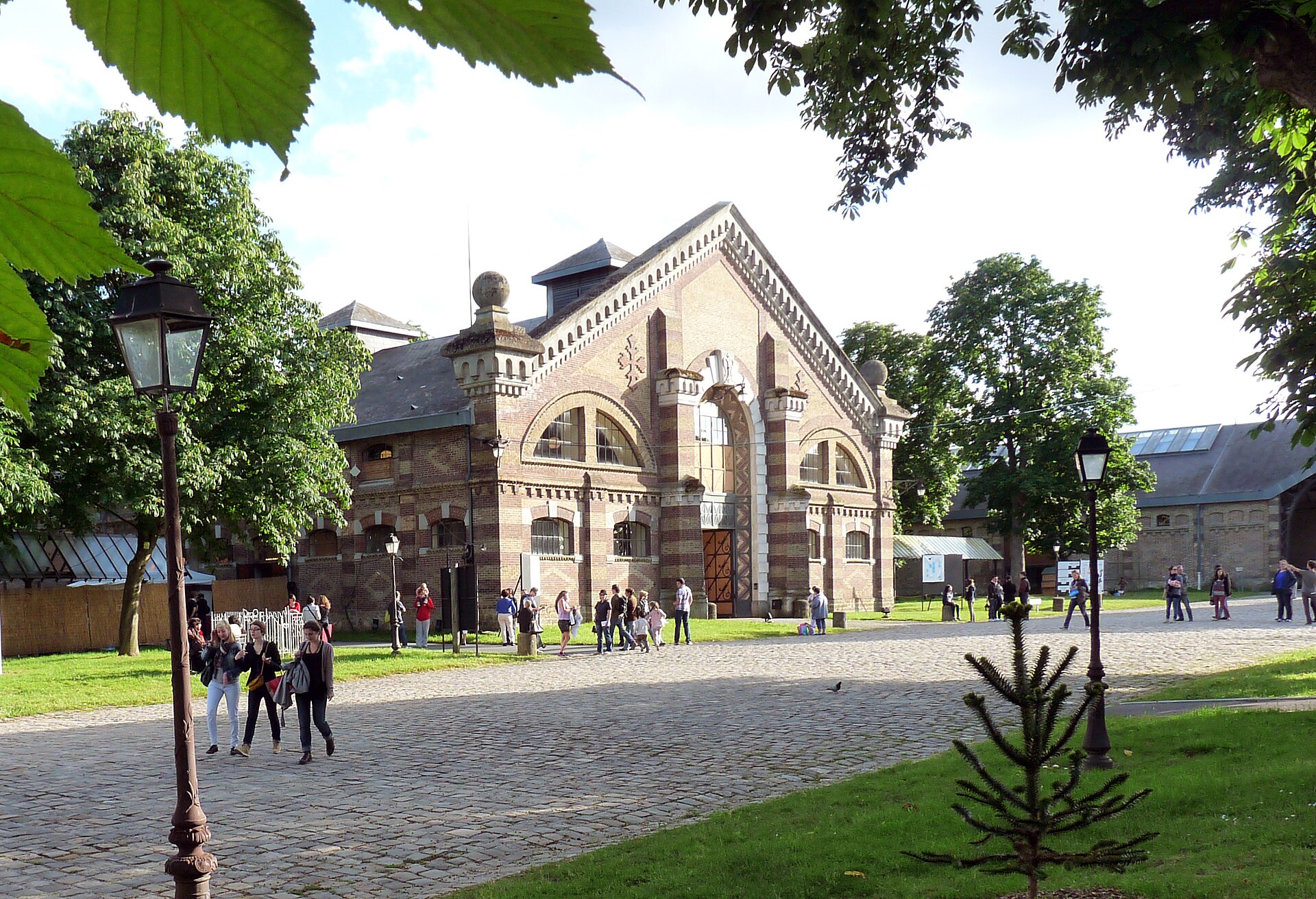
La Ferme du Buisson in Noisiel, photographed in 2013. Brandon Gercara’s exhibition is not pictured.La Ferme du Buisson · CC BY-SA 4.0 · Cropped
Réunionese artist Brandon Gercara’s exhibition Destin Vogoya at La Ferme du Buisson combines performance and visual art with a fictional world of queer protagonists. ART AFRICA describes how the work brings Réunion’s maloya tradition into conversation with voguing to explore cultural memory, identity and collective liberation.