Ahead of Paris Design Week, Africans Column previews a presentation of seven Nigerian designers in All Roads Lead to Lagos, featuring furniture, lighting and collectible objects. It connects their material experiments with manufacturing opportunities, including a lighting collaboration with Ombré. The programme’s planned return to Lagos places emphasis on building production networks rather than treating international exposure as an end in itself.
ACP visits Kinshasa’s Galerie Symphonie des Arts, where animal imagery and recovered materials shape contemporary objects and artworks. Gallery director Christa Göpfert describes limited and unique pieces, including an elephant made from used coffee capsules. The report connects these material experiments with Congolese biodiversity, local craft and environmental awareness.
Reporting from Kinshasa Urban Art Festival, ACP examines Mathieu Poissinet’s work Non. Non, pourquoi non?, which presents women’s silhouettes as figures of resistance. The artist connects the painting to the festival’s concern with silenced experiences. Around twenty national and international artists contribute to the exhibition addressing violence against women.
Madar21 carries MAP’s report on ten Moroccan exhibitors participating in Bijorhca Paris through a Maison de l’Artisan pavilion. The presentation foregrounds the diversity of regional jewellery-making traditions and contemporary craft skills. Organisers describe the initiative as a way to connect makers with buyers while strengthening international recognition of Moroccan craftsmanship.
ACP previews the fourth Kinshasa Urban Art Fest, running September 4–12 across several cultural venues. Its programme brings together street-art exhibitions, graffiti battles and creative workshops, including six women graffiti artists. Coordinator Tata Nizzo describes the festival as both a platform for emerging talent and a civic response to violence against women.
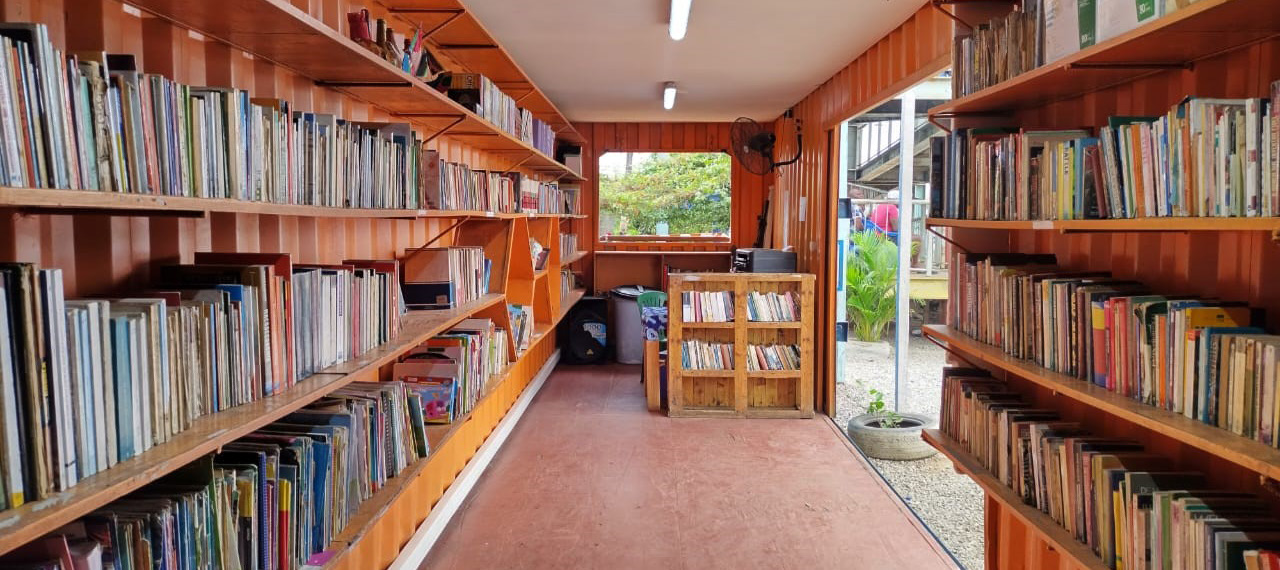
Angolan community library 10Padronizada grew from 14 shared books at a pedestrian crossing into a space for reading, education, art workshops and free children’s activities. Co-founder Dago Nível Intelecto travelled to Essen through Goethe-Institut Angola to participate in Manifesta 16 Ruhr alongside cultural practitioners from across Africa. The European nomadic biennial ran from 21 June to 4 October 2026 across former church buildings and several Ruhr cities.
ACP reports that Africa Legacy will run in Belgium from September 4 to November 1, bringing historic African art into dialogue with contemporary expression. Panellist Ytal Mwena Lumpungu argues that young Africans should actively reinterpret and preserve their heritage, rather than regard it as a distant or static inheritance.
In August 2026, Novo Jornal reported that Angolan sculptors were eligible for a granite-sculpture symposium in Burkina Faso, citing Angola’s culture ministry. The announcement described places for experienced sculptors, assistants and trainees, with selection considering artistic quality and technical experience. This archived report records a cross-border professional opportunity; it does not establish that applications remain open, and applicants should verify current details with the organisers.
At the Interstice brings TAELON7’s adaptable spatial practice to the Foundation for Contemporary Art Ghana in Accra. Led by Juergen Benson-Strohmayer, the installation combines shade netting, sculptural assemblies, photographs and drawings to explore how modest materials can support gathering, negotiation and shared public life across the boundary between gallery and courtyard.
A S+T+ARTS residency cohort explores artificial intelligence through artistic practices grounded in African contexts. C& highlights Mahoutondji Kinmagbo’s interactive memory tablet, Chipo Mapondera’s water-focused installation and Evans Akanyijuka’s living photographic archive. Together, the projects shift attention from technology as a neutral tool towards the communities and inherited knowledge that shape its use.
ArtThrob asked artists, curators and other practitioners what they were reading in winter 2026. Contributions from Olga Speakes, Jo Stella-Sawicka, George Mahashe, Nisha Merit and Lerato Shadi ranged across fiction, photography, textiles and critical theory. Recommendations included a Carrie Mae Weems publication, Matter Mattering Matters and writing by African women, offering a view into the intellectual interests surrounding contemporary artistic practice.
C& presents a digital archive documenting the S+T+ARTS Afropean Intelligence programme across five African countries. Curated by Céline Delatte, its nine-chapter reader brings artistic projects into conversation with research, podcasts and shared reflections. The resource extends work on memory, ecological justice and technological narratives beyond the residencies that generated it.
In Gaborone, the Artist Residency Centre supports contemporary practice through studio space, mentorship, exhibitions and a public resource collection. Sibongile O.K. Msimango speaks with its founders and team about collaboration and the difficulty of sustaining a grassroots institution, showing how the centre complements Botswana’s existing art organisations while helping artists develop their ideas.
Simnikiwe Buhlungu received the MTN x UJ New Contemporaries Award and its R100,000 prize at the National Arts Festival in Makhanda on 26 June 2026, ArtThrob reported. Her sound installation explored gospel, diasporic memory and collective listening. Curated by Amogelang Maledu, the associated exhibition also included Zara Julius, thato makatu and Unathi Mkonto, bringing together practices concerned with knowledge, survival and contemporary experience.
In Mozambique, creative reuse connects art with everyday environmental challenges. Global Voices profiles Vânia Gonçalo, who transforms discarded tyres into furniture and decorative objects, and Mudungaze, whose masks and other works draw on scrap metal and African cultural references. Rapper Osvaldo Iko MC adds music and digital campaigning to the picture. Together, these accounts explore how creativity, environmental education and income-making can intersect amid unequal access to waste services and cultural spaces.
Original article by Tirso Sitoe·Global Voices·Translated from Portuguese by Liam Anderson·
At Seed Archives in North London, Thabo’s LALELA installation creates a veiled listening space within a library of African and Caribbean material culture. The artist reflects on photographs and books that prompted sonic imaginings during his residency, connecting an interest in oral histories with the ways images can suggest stories beyond the frame.
Cameroonian-born artist Tanka Fonta has received the Wi Di Mimba Wi Prize, a commission supporting artists of colour based in Germany. Awarded by AKB Stiftung and SAVVY Contemporary, it supports new work and a year-long working grant. The announcement highlights a practice spanning visual art, sound and philosophy, with memory and perception among its recurring concerns.
Contemporary And (C&)·
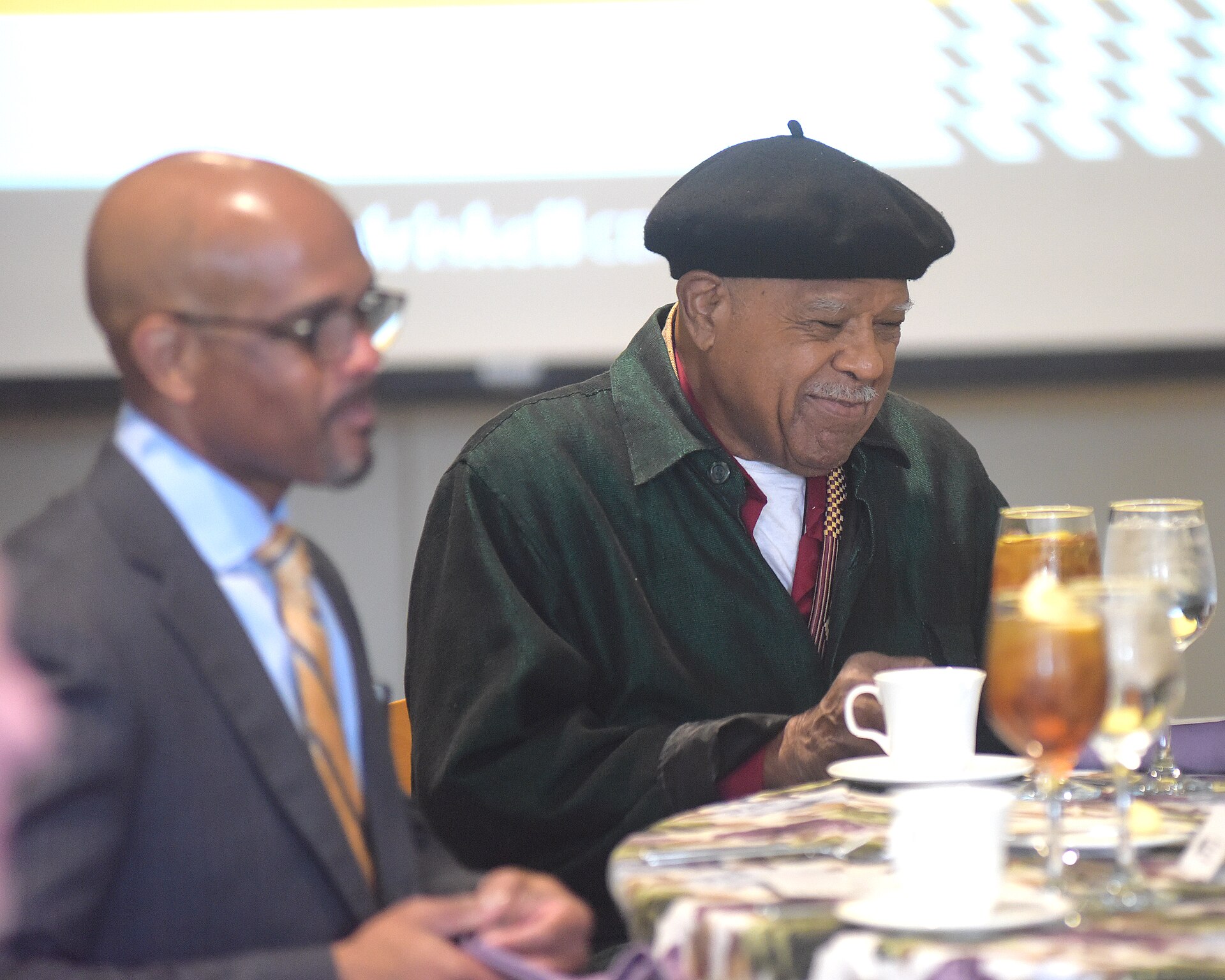
Melvin Edwards (right) at the University of Maryland, College Park, at an event honoring David C. Driskell, 4 April 2024.Tom Nappi · CC BY 2.0
C& remembers sculptor Melvin Edwards, whose welded-steel works connected abstraction with histories of racial violence, labour and diaspora. The obituary traces his Lynch Fragments, teaching and exhibitions alongside enduring relationships with West Africa, including a home and studio in Dakar. It presents those exchanges as central to a practice developed across decades.
Contemporary And (C&)·
Touria El Glaoui, founder of 1-54, on 1 October 2021. Contextual portrait, not a photograph of the 2026 Marrakech fair. Photo: Editvipcontent / Wikimedia Commons / CC BY-SA 4.0.Editvipcontent · CC BY-SA 4.0
Harriet Nyarko Agyiri previews 1-54 Marrakech’s 2026 edition through its Moroccan galleries, international exhibitors and wider city programme. Alongside booths at La Mamounia, the article highlights projects involving installation, textiles and sculpture, as well as talks on archives and artistic mobility. It offers an overview of how the fair connects with Marrakech’s cultural institutions.
Valentina Di Liscia reported for Hyperallergic that Nnena Kalu won the 2025 Turner Prize, becoming its first recipient with a learning disability. Born in Glasgow to Nigerian parents, the London-based artist builds sculptures through repeated wrapping, knotting and coiling, with related circular gestures in her drawings. Her nomination recognised work shown at Manifesta 15 and Liverpool’s Walker Art Gallery, bringing sustained attention to an established, distinctive practice.