Goodman Gallery announced Eleven/TwentyTen, a biennial-style programme of site-specific exhibitions, performances, screenings and public-space installations planned for Johannesburg and Cape Town during the 2010 World Cup. Its international and African roster included El Anatsui, Joël Andrianomearisoa, Bili Bidjocka, Ghada Amer, Yinka Shonibare, William Kentridge, Robin Rhode and others. The project positioned contemporary art across both cities during a period of intense global attention.
ART AFRICA reported in January 2010 that David Goldblatt had received the 2009 Henri Cartier-Bresson Award for TJ, his ongoing photographic examination of Johannesburg. It said an exhibition would follow in 2010. The notice connected the project to decades of observing South African society and emphasised an approach attentive to complexity rather than propaganda or sensationalism.
Cape Town's Greatmore Studios was renovating and adding studio space and a small gallery as it prepared for its tenth anniversary in 2008. ArtThrob reported plans for a September Thupelo Found Object Workshop, a November fundraising exhibition and an archival publication. The announcement also highlighted visiting-artist residencies, mentoring and community workshops, documenting the organisation's role in supporting exchanges among local artists and practitioners from elsewhere in Africa and abroad.
Simon Njami's As You Like It accompanied the first Joburg Art Fair at Sandton Convention Centre in March 2008. The exhibition featured artists including Jellel Gasteli, Bili Bidjocka, Michèle Magema and Amal Kenawy. In an April review, Jacki McInnes considered its attempt to separate artworks from the meanings and prices assigned by galleries and critics. She questioned whether the selection achieved that aim, while finding the debate about artistic value worth pursuing.
ArtThrob·
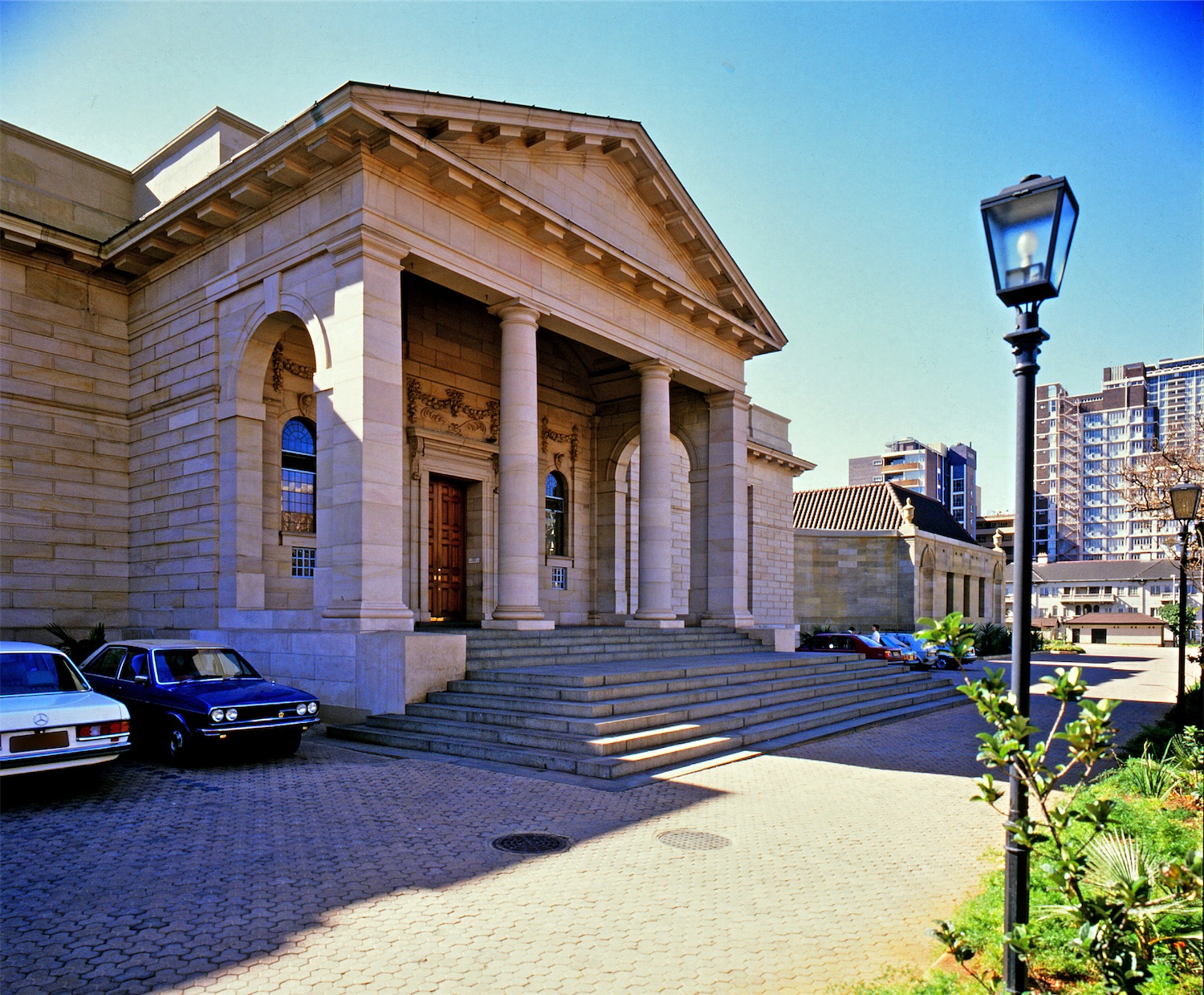
Johannesburg Art Gallery, photographed in 1988. Historical venue context, not a view of the 2005 Dumile Feni retrospective. Photo: Janek Szymanowski / Wikimedia Commons, CC BY-SA 3.0.Janek Szymanowski · CC BY-SA 3.0
A 2005 Johannesburg Art Gallery retrospective brought together Dumile Feni's work from South Africa, London and the United States. Curated by Prince Dube, it combined drawings and other artworks with films, interviews and photographs. Reviewing the exhibition, Jacqui Brener welcomed the renewed attention to Feni's career and exile, while arguing that a more selective presentation could have made the extensive display easier to follow. The exhibition was scheduled to close on 10 April.
Illuminando Vidas brought photographs of Mozambique made between 1950 and 2001 to Johannesburg's Bensusan Museum of Photography. The presentation included thirty-six images by sixteen photographers, among them Ricardo Rangel and Kok Nam. Robyn Sassen's review recognised its range, from war and racism to everyday pleasure, but criticised the limited contextual material available to visitors. Published in April 2005, the review records an exhibition that had already closed on 20 February.
Johannesburg's proposed JHB ARTCITY project would enlarge selected artworks onto inner-city buildings around the 2002 World Summit for Sustainable Development. Kathryn Smith reported plans for an open submission process, thirty selected works and displays of the originals. Her contemporary account also questioned the clarity of the initial publicity and explained organisers' clarifications about reproduction permissions and artists' royalties. The report documents the proposal, not confirmation that every planned element occurred.
Virginia MacKenny reported a cluster of new art-space initiatives in Durban in 2002. Junubi Afriqui Gallery had opened with a focus on contemporary Islamic art and skills development, while Joe Butler's planned Skati Urban Gallery combined exhibition space with other cultural facilities. A proposed Museum of Contemporary African Art remained at an early stage. The article captures local ambitions to widen opportunities for artists, while distinguishing established activity from projects still being planned.
Sabine Cessou profiles South African photographer Peter McKenzie, tracing the collective commitments of his Afrapix years into the post-apartheid period. He discusses teaching, the reassessment of photographers’ roles after 1994 and a twelve-photographer project documenting children across South Africa at the turn of the millennium.
Africultures·
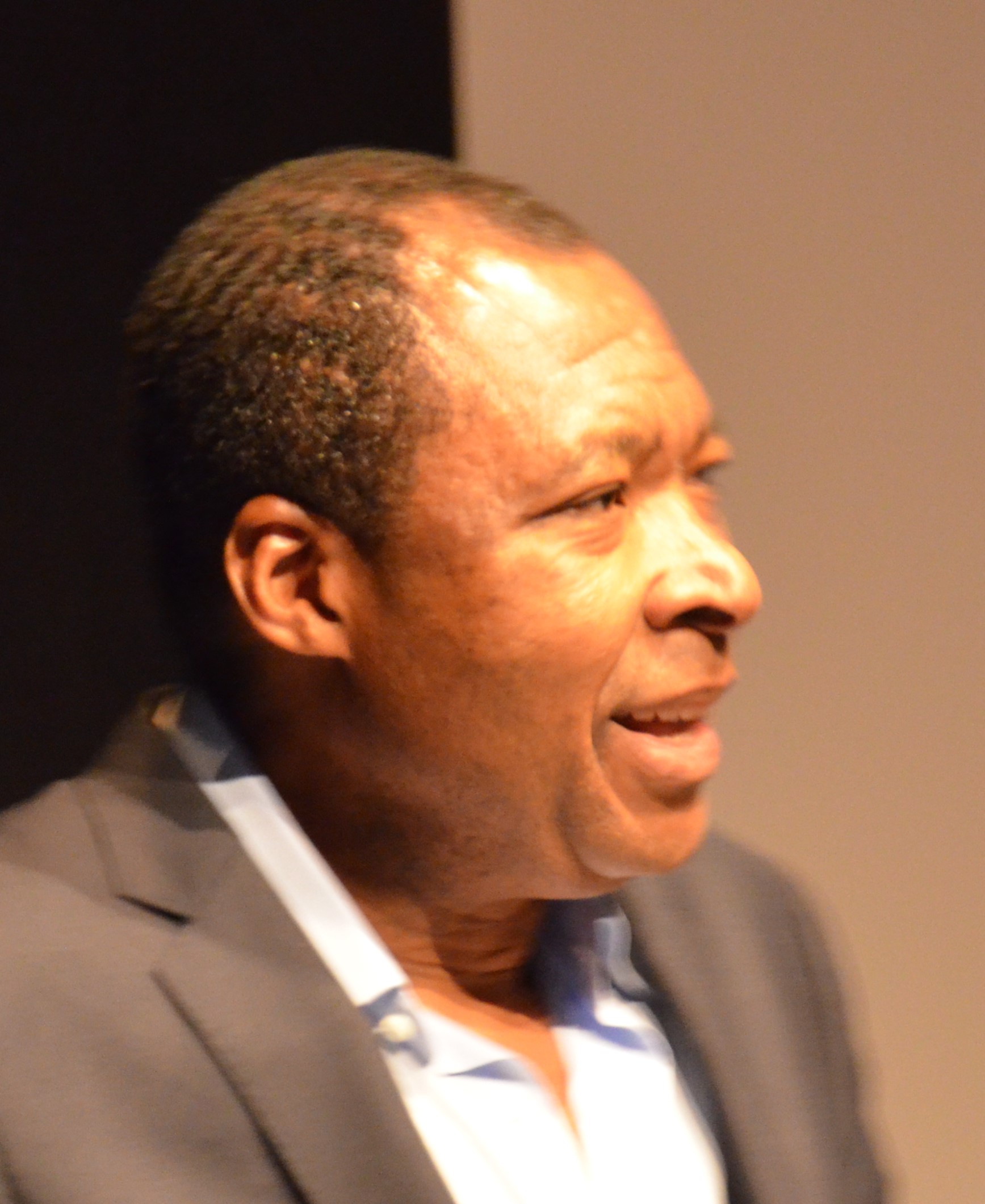
Okwui Enwezor at Moderna Museet in Stockholm in 2014. Contextual portrait; not a photograph of the 1997 Johannesburg Biennale.Bengt Oberger · CC BY-SA 4.0
ArtThrob’s October preview mapped the second Johannesburg Biennale under Nigerian artistic director Okwui Enwezor. Trade Routes: History and Geography brought artists from sixty-three countries into six core exhibitions across Johannesburg and Cape Town, alongside films and public interventions. The programme included Kay Hassan, Moshekwa Langa, Bernadette Searle and other South African practitioners.