Speaking to ACP, Arnold Kufulula describes Shango et Zaïire as a comic built around a father’s message to his son. Its visual storytelling brings together Kongo cosmology, oral traditions and rites of passage. The author positions the work as a means for young Congolese readers to encounter cultural memory and intergenerational responsibility.
Agence Congolaise de Presse·
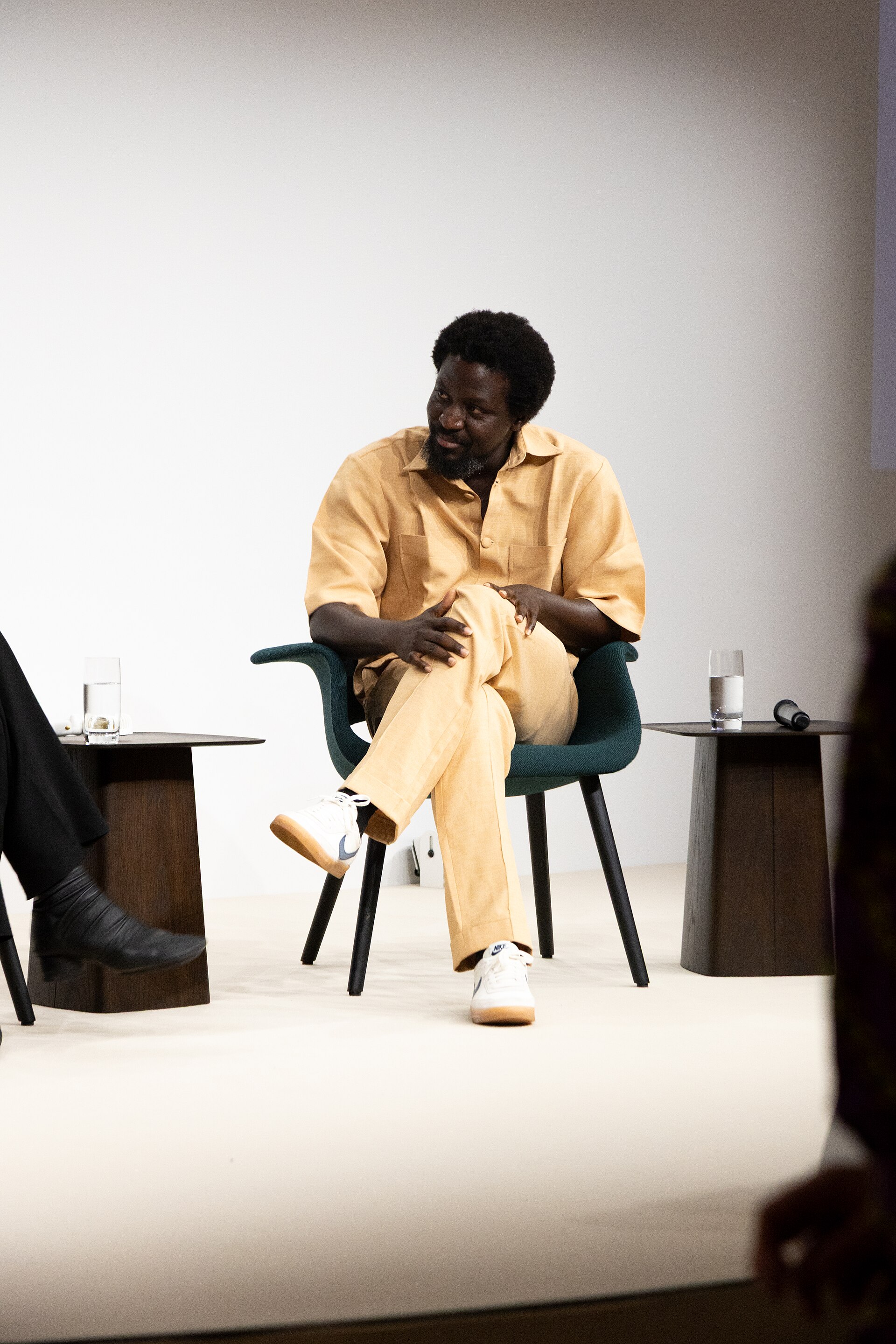
Ibrahim Mahama at Art Basel in 2025. A contextual portrait of the artist, not a photograph of Voyageur in Naples.Bea Phi · CC BY-SA 4.0
Ibrahim Mahama’s Voyageur places three wooden boats upright in Naples’s Piazza Municipio, connecting Ghanaian craftsmanship with the Mediterranean port’s histories of movement. Curated by Vincenzo Trione for Napoli Contemporanea, the public installation considers labour, trade and migration through vessels whose arrested journeys turn familiar objects into carriers of memory and exchange.
Africans Column·
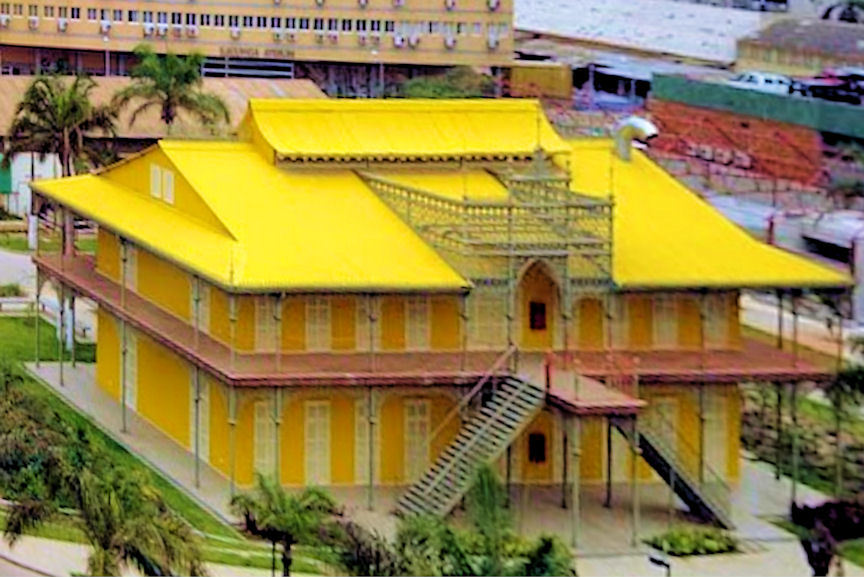
Context: Palácio de Ferro in 2011, not the 2026 young creators’ showcase.Zorglub · CC BY-SA 3.0
Novo Jornal reports that Luanda’s Palácio de Ferro is hosting 200 young creators from Angola’s 21 provinces. The national showcase includes visual and applied arts alongside other disciplines, and will select 15 representatives for the CPLP biennial in Cabo Verde. Organised by the Angolan Youth Institute, it links local practice with international opportunities.
In Nana Poulot’s Art Report Africa interview, Emma Prempeh discussed paintings developed between a residency at dot.ateliers in Accra and her London studio. The British artist of Ghanaian and Vincentian heritage described contrasting palettes, combined landscapes and reading as foundations for The Domain of the Stranger at Perrotin Paris. Her account explored how painting can connect places, family histories and experiences of belonging without resolving their differences.
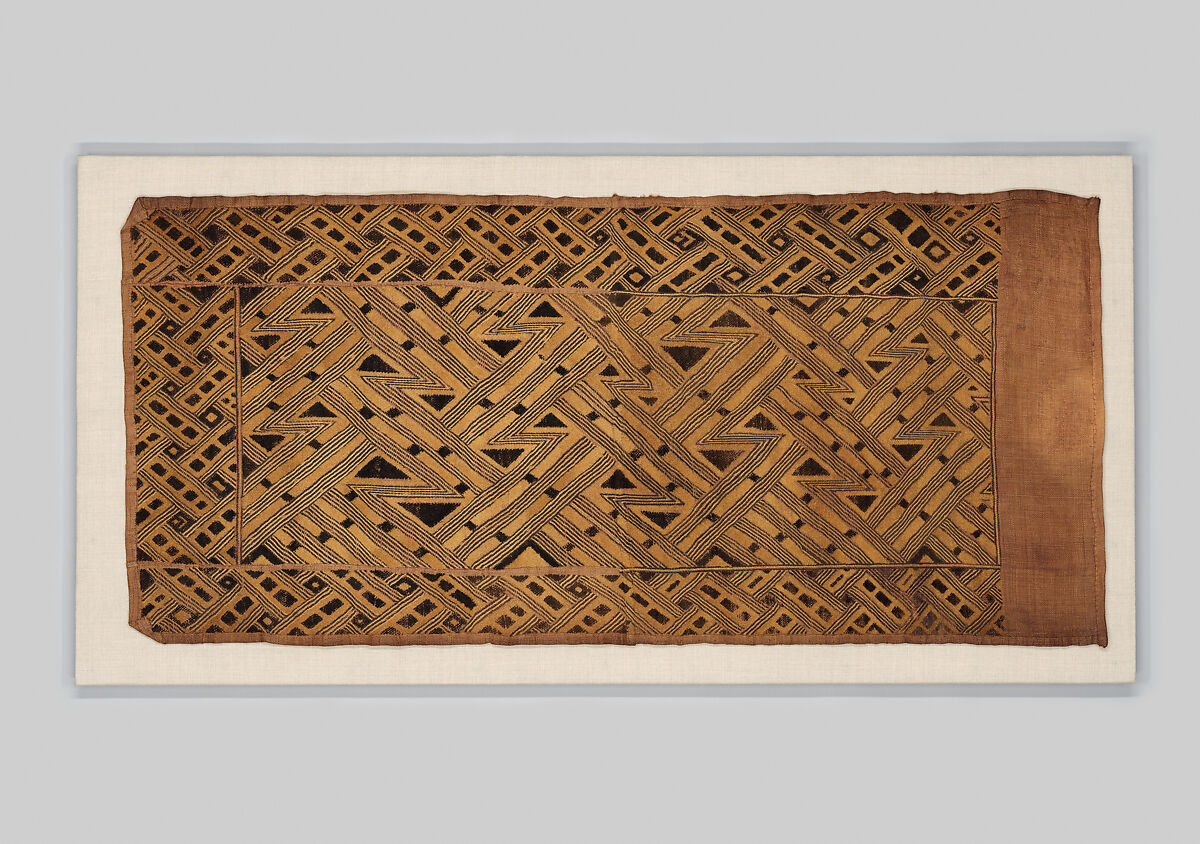
ACP reports on Kadima Muadianvita’s painting inspired by a palm-fibre textile given to him during a visit to the Kuba kingdom. The Congolese artist depicts its maker and carries the textile’s patterns into the background, connecting inherited craftsmanship with contemporary painting and the transmission of cultural memory.
Art Report Africa’s September 2026 roundup considered four exhibitions in Paris and Lagos through space, memory and materials. Reviews of Sungi Mlengeya and Ladji Diaby explored spare painted settings and reused domestic objects, while accounts of Crosscurrents and Affinities and The Weight of Traces examined relationships between Nigerian artists. The writing emphasised formal differences and material experimentation rather than treating the shows as interchangeable expressions of identity.
Zeitz MOCAA announced the launch of Everything but the Exhibition on 17 September 2026. Developed from IMPRINT, its publishing-focused Atelier, the online publication examines the research, discussion and production that surround exhibitions. The museum describes a space for visual and sound experiments alongside critical conversation, treating publishing as a curatorial practice in its own right and bringing less visible institutional processes into public view.
Madar 21 reports that Asilah’s autumn cultural season will include printmaking, oil painting and lithography alongside its wider programme. Exhibitions feature Moroccan artists Mohamed El Mourabiti and Younes Kharraz, photographs by the late Mohamed Benaïssa and children’s work. A tribute symposium will examine art historian Toni Maraini’s relationship with Morocco’s visual arts scene.
APS reports plans for Police culturelle at Dakar’s Museum of Black Civilisations on October 10. Organised by the cultural press association and national police, the event includes an exhibition and live painting alongside music and poetry. Organisers say the programme will give artist-officers public visibility and encourage dialogue with communities.
Agence de Presse Sénégalaise·
Henry Tayali, circa 1983. A contextual portrait, not a photograph of the 2026 Destiny exhibition.F Anderssen · CC BY-SA 3.0
Banji Chona considers what sustained public access means for Zambia’s art history through Henry Tayali’s Destiny at Lechwe Trust Art Gallery. The review distinguishes the painting’s return to Zambia in 1991 from its renewed display in 2026, arguing that conservation, criticism, education and encounters with collections help keep artistic histories alive.
Madar21 publishes MAP’s account of the fourteenth Morocco Visual Arts Salon in Fès. Organised around the transition from sketchbook to finished work, the programme combines an emerging-artists exhibition and competition with painting, sculpture, ceramics, calligraphy and installation. Guest artist Iryna Grytsenko highlights the productive encounter between preliminary studies and completed works.
APS reports on a touring exhibition of fifteen African and diaspora artists at Dakar’s Théodore Monod museum, continuing until September 20. Paintings, tapestries, photographs and installations address gender, ecology, sovereignty and memory. Curator Michèle Desmottes stresses the artists’ individual positions rather than a single representative image of the continent.
Africultures considers Samuel Suffren’s three short films, released together in France as Les Vagues dans les yeux. Across Agwe, Des rêves en bateaux papiers and Cœur bleu, the Haitian filmmaker turns attention from migration’s journeys to the families who remain. The review traces how sound, domestic spaces and ordinary objects carry absence and memory.
Ahead of Paris Design Week, Africans Column previews a presentation of seven Nigerian designers in All Roads Lead to Lagos, featuring furniture, lighting and collectible objects. It connects their material experiments with manufacturing opportunities, including a lighting collaboration with Ombré. The programme’s planned return to Lagos places emphasis on building production networks rather than treating international exposure as an end in itself.
ACP visits Kinshasa’s Galerie Symphonie des Arts, where animal imagery and recovered materials shape contemporary objects and artworks. Gallery director Christa Göpfert describes limited and unique pieces, including an elephant made from used coffee capsules. The report connects these material experiments with Congolese biodiversity, local craft and environmental awareness.
Zeitz MOCAA announced free admission for Heritage Day on 24 September 2026, alongside activities connecting art, architecture and South African cultural heritage. The Cape Town museum’s programme included multilingual building tours, exhibition tours, creative workshops and live performances. Its education team presented the day as an invitation for new and returning audiences to explore the museum together. This is an account of the announced programme, now past.
Reporting from Kinshasa Urban Art Festival, ACP examines Mathieu Poissinet’s work Non. Non, pourquoi non?, which presents women’s silhouettes as figures of resistance. The artist connects the painting to the festival’s concern with silenced experiences. Around twenty national and international artists contribute to the exhibition addressing violence against women.
Madar21 carries MAP’s report on ten Moroccan exhibitors participating in Bijorhca Paris through a Maison de l’Artisan pavilion. The presentation foregrounds the diversity of regional jewellery-making traditions and contemporary craft skills. Organisers describe the initiative as a way to connect makers with buyers while strengthening international recognition of Moroccan craftsmanship.
ACP previews the fourth Kinshasa Urban Art Fest, running September 4–12 across several cultural venues. Its programme brings together street-art exhibitions, graffiti battles and creative workshops, including six women graffiti artists. Coordinator Tata Nizzo describes the festival as both a platform for emerging talent and a civic response to violence against women.
Tunisian filmmaker Ridha Tlili discusses how documentary lets him work alongside communities often absent from mainstream images. Speaking to Africultures at Lussas, where three of his films were screened, he connects filmmaking with graffiti, performance and everyday acts of resistance. The interview explores a practice shaped by observation, experimentation and each new encounter.