Art Auction East Africa sold 90% of its 68 lots at Circle Art Gallery in Nairobi on 28 October, generating KES 46.3 million, according to Shalom Esene’s report for Art Report Africa. Edward Saidi Tingatinga’s 1971 painting Untitled (Landscape with Lion and Bird) led the sale at KES 7.63 million. Founder Danda Jaroljmek told the publication that more bidders competed for each lot, including collectors buying East African art for the first time.
Art Report Africa·
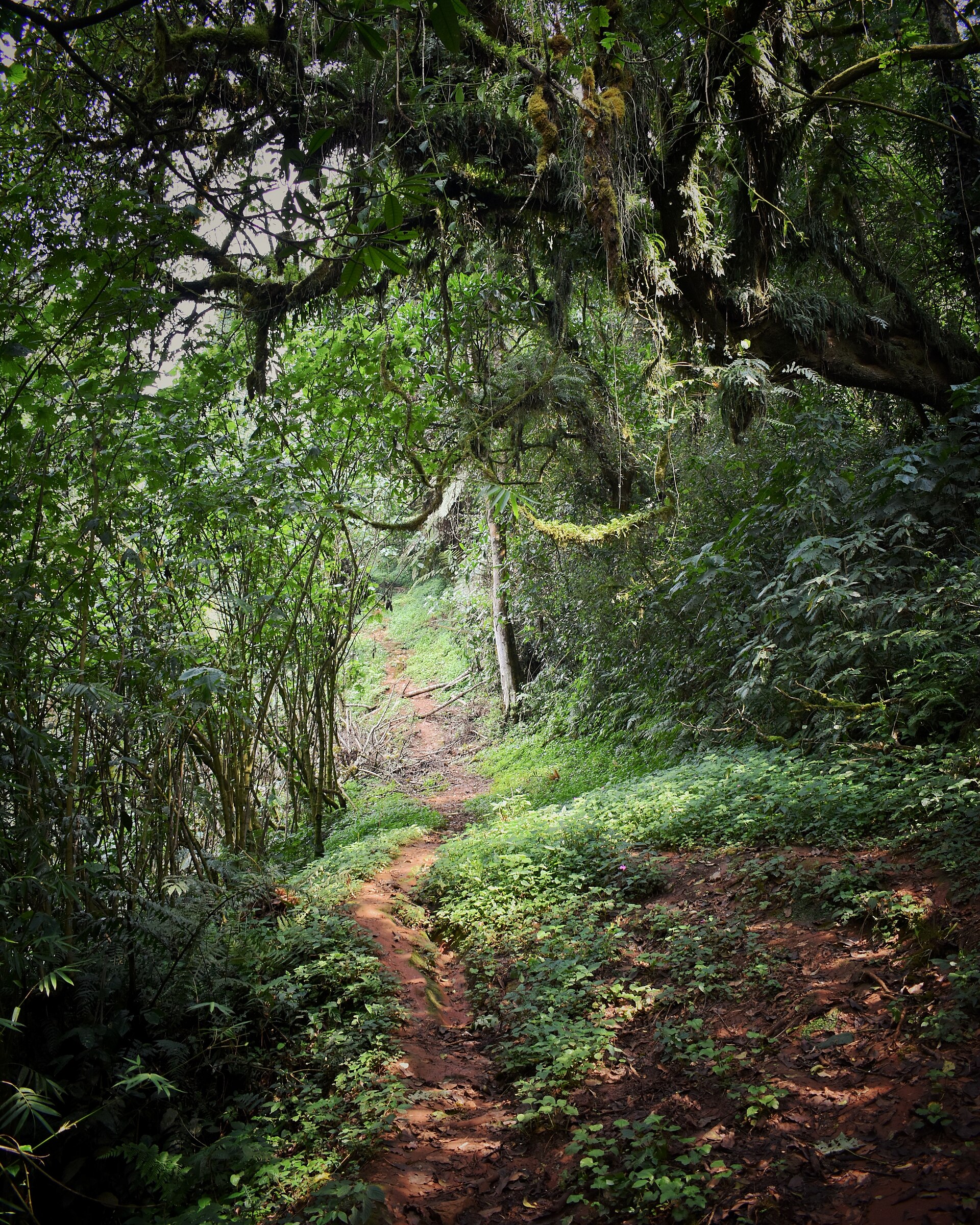
A path in the Mau Forest, photographed in 2021. The exhibition’s artworks and participants are not pictured.Bett Duncan · CC BY-SA 4.0 · Cropped
ArtThrob previews a Nairobi exhibition developed through Kairos Futura’s eight-week arts programme with young people around Kenya’s Mau Forest. Through sculpture, printmaking, wearable design and collective storytelling, participants imagine the forest in 2099, exploring ecological recovery and possible relationships between communities and their environment.
ArtThrob·
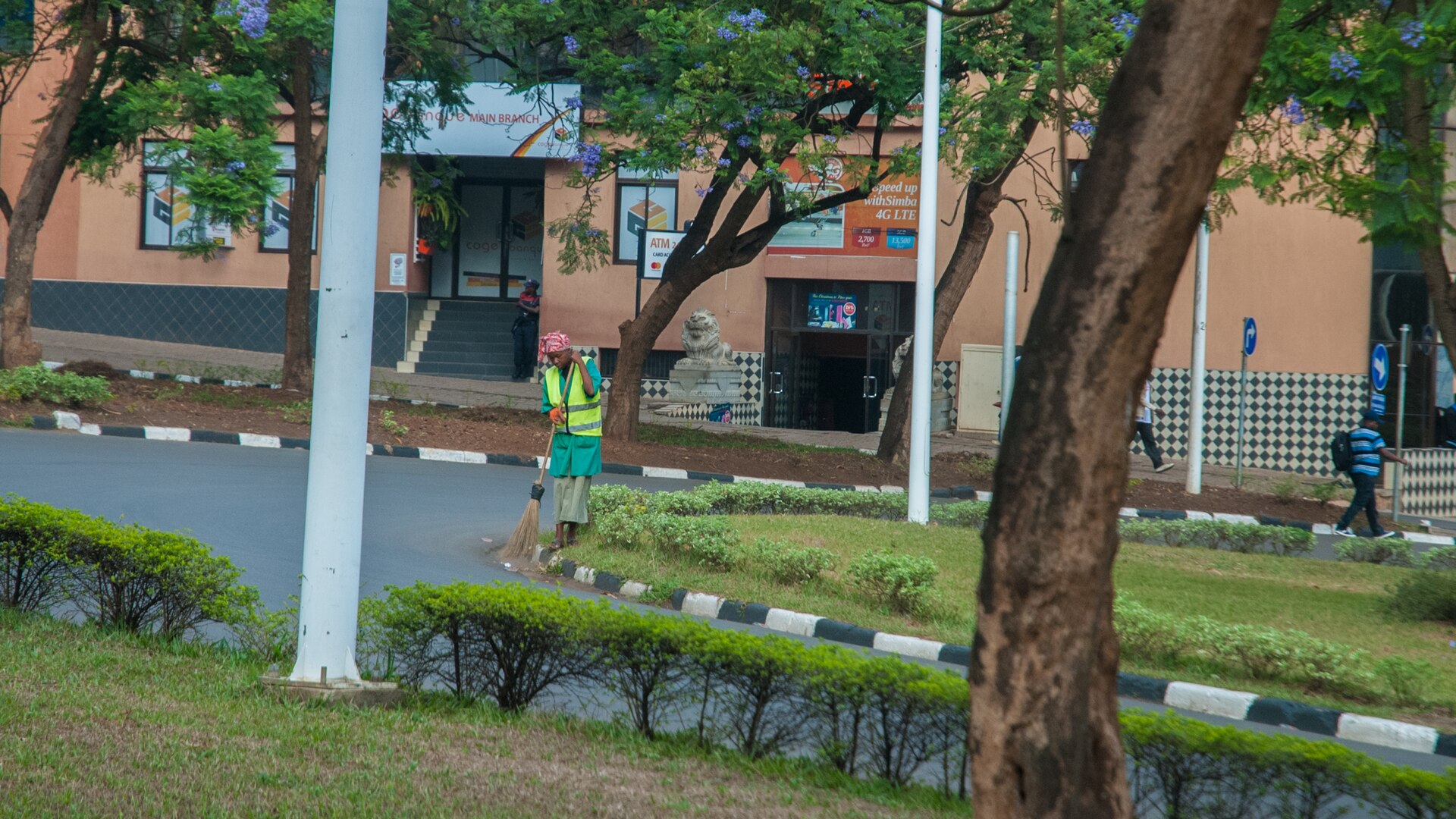
Cleaning Lady, a photograph by Mutiganda wa Nkunda made in Kigali in 2017. Context from his photographic practice, not a still from Phiona. Full image, unaltered.Mutiganda wa Nkunda · CC BY-SA 4.0
Rwandan filmmaker Mutiganda wa Nkunda explains the conversational structure and largely fixed-camera approach of Phiona, la fille de Madrid in an Africultures interview. He describes drawing on everyday exchanges and domestic space to shape the film, while reflecting on women’s stories, the possibilities of non-linear narration and the difficulties of sustaining an independent production.
Stephan Rheeder’s ART AFRICA interview explored Canon Griffin Rumanzi’s 2025 exhibition at the Nairobi Contemporary Art Institute. The Ugandan artist combined family photographs, public documents and other archival images into layered digital collages. With curator Trevor Mukholi and artist-researcher Andrea Stultiens, he discussed how these assemblages invite questions rather than claim to reconstruct the past. The conversation also examined History in Progress Uganda’s work in widening access to photographic archives.
Writing in Contemporary And in July 2025, Ann Mbuti reflected on her participation in Mangrove Ecologies, a collaborative residency and research project linking Lamu and Basel. The work brought sound, installation, workshops and community conversations into dialogue with coastal environments. Mbuti questioned how artistic exchange is shaped by unequal resources and how its effects might be understood beyond conventional measures of impact.
Anna Adima’s January 2025 C& feature examined the exchanges shaping Kampala’s visual-art community. She followed artists Seyi Adelekun, Birungi Kawooya and Henry Robinson through residencies, installations and photographic projects connected to 32 Degrees East, KLA ART and local galleries. The report highlighted collaborative learning and resourcefulness while distinguishing the opportunities available to visiting diaspora artists from the constraints facing locally based practitioners.
ART AFRICA introduced Common Ground at Nairobi Contemporary Art Institute as an examination of how groups occupy social and physical space. Works by Peterson Kamwathi, Elias Mung’ora, Paul Njihia and Morris Foit depicted students, officers, protesters and families. The selection included a newly completed five-part Foit sculpture in the institute’s collection, connecting contemporary public life with the material and intergenerational histories of Kenyan art.
ART AFRICA reported on Afriart Gallery’s Shapes of Water, which assembled ten women artists from seven African countries in Kampala. Water supplied a framework for considering femininity, bodily autonomy and the pressure to conform under patriarchy. Participants included Sungi Mlengeya, Charlene Komuntale, Nelsa Guambe and Maliza Kiasuwa. The exhibition placed distinct regional practices in conversation rather than presenting a single model of womanhood.
ART AFRICA described Syowia Kyambi’s return to a Nairobi solo presentation after seven years, at Nairobi Contemporary Art Institute. Kaspale assembled photography, video, sculpture and installations made between 2018 and 2022. The artist’s trickster character moved through colonial archives and inherited sites of power, drawing on research at Tanzania’s Amani Research Station and the MARKK Museum to examine violence, memory and the construction of identity.
In her March 2020 ArtThrob student review, Brittney Moolman explored Hellen Nabukenya’s large textile installation at the Stellenbosch Triennale. She considered how collaborative sewing, contrasting fabrics and the work’s placement shaped its social meanings. Reading it beside a neighbouring installation of workers’ overalls, Moolman reflected on textile labour and discarded materials, offering a situated interpretation rather than a verified account of every fabric’s origin.
In a 2017 C& interview with Awuor Onyango, curator Jimmy Ogonga explained his approach to Kenya’s Venice Biennale pavilion, Another Country. Drawing on James Baldwin’s novel, he considered how an international exhibition could connect Kenyan artists with wider audiences and generate discussion at home. The Biennale archive confirms the pavilion’s five participating practices, including Arlene Wandera, Mwangi Hutter and Peterson Kamwathi.