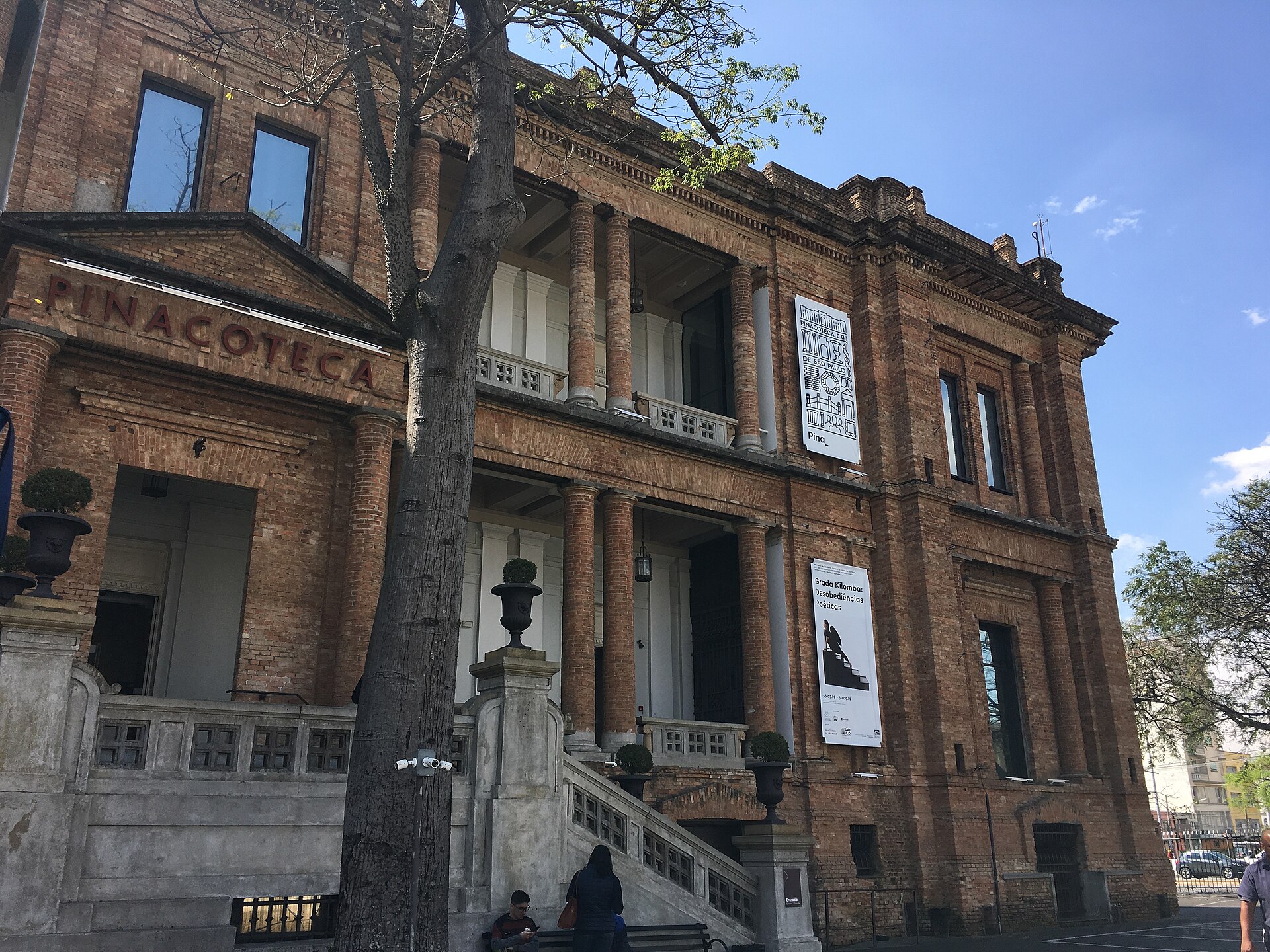
Reviewing Paulo Pedro Leal’s exhibition at the Pinacoteca de São Paulo, Mateus Nunes argues for the painter’s place in Brazilian art history. His ArtReview essay examines scenes of violence, religious gathering and everyday life, connecting their formal construction to race, displacement and the neglect of Black painters.
Congolese comics artist Barly Baruti told ACP that the Dakar Biennale could help advance BD Safari, a proposed network linking Kinshasa, Dakar and Tétouan. He outlined ambitions to circulate works, share training and build connections between comics markets across the continent. Baruti also discussed bringing questions of memory, resistance and cultural self-determination into his Dakar contribution. The report described plans and aspirations, not an already operational cross-border network.
A collective mural has given Kinshasa’s Le Zoo cultural centre a new façade, placing African women at the centre of its imagery. Director Paul Ngoie Le Perc told ACP that the work grew from the Kinshasa Urban Art Festival’s focus on violence against women, with Kimpa Vita representing resistance. He presented the mural as part of an effort to reopen the centre to artists and creative communities.
Speaking with Sabo Kpade for Art Report Africa, Luke Agada discussed the paintings and charcoal works in When the Center Holds at Sean Kelly, New York. The Nigerian artist described colour, unstable figures and remembered spaces as ways to explore belonging and change. He also explained why drawings often follow paintings in his practice, allowing him to reconsider gestures and relationships already formed on canvas.
Art Report Africa·
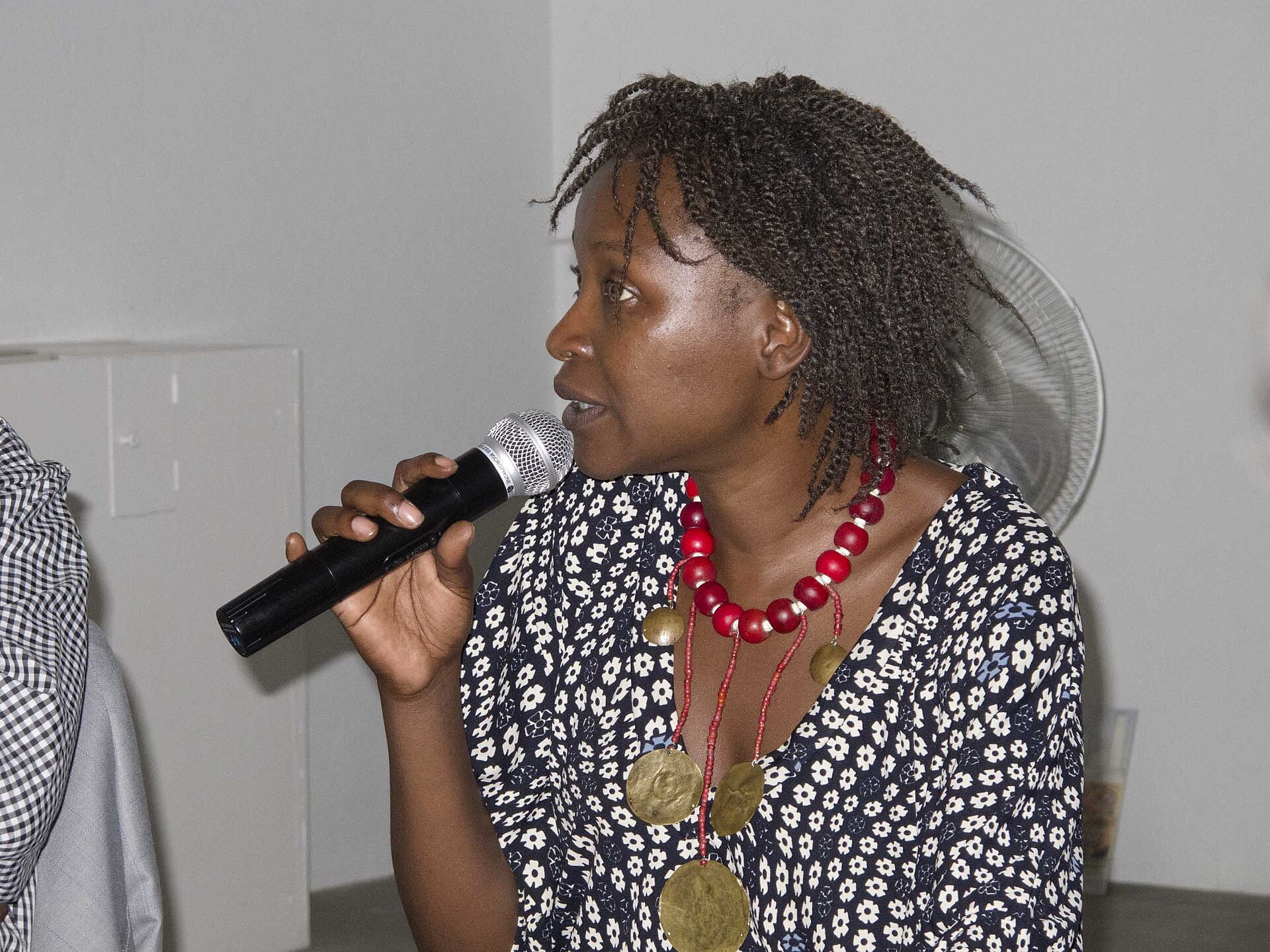
Koyo Kouoh speaking in Douala in 2010. IMPRINT is the current iteration of the museum’s Koyo Kouoh Atelier; the current residents and exhibition are not pictured.Lard Buurman . · CC BY-SA 3.0 · Cropped
Zeitz MOCAA has introduced IMPRINT, a publishing residency bringing three Cape Town collectives into its Koyo Kouoh Atelier. (B)andWi(d)th, Medupi Publishing and Creative Knowledge Resources will use the museum as a place for production and experimentation, with the programme running until April 2028.
In C& América Latina, Thaís Regina explored how Brazilian artist Dalton Paula developed Sertão Negro from a studio into a community for artistic learning and exchange in Goiás. Her feature connects his painting practice with a wider commitment to Black communal life, including residencies, a library and teaching. The interview considers how sharing resources and nurturing other artists can become part of an artist’s legacy, rather than an activity separate from making work.
Safia Siad’s October C& feature traces how Mallory Lowe Mpoka works with inherited photographs, reused textiles, soil and plants to explore belonging. The Montréal-raised artist’s projects connect family histories in Cameroon with experiences across borders. Siad revisits The Matriarch and Deborah’s Garden, shown in Montréal in 2025, while discussing Mpoka’s evolving practice.
Contemporary And (C&)·
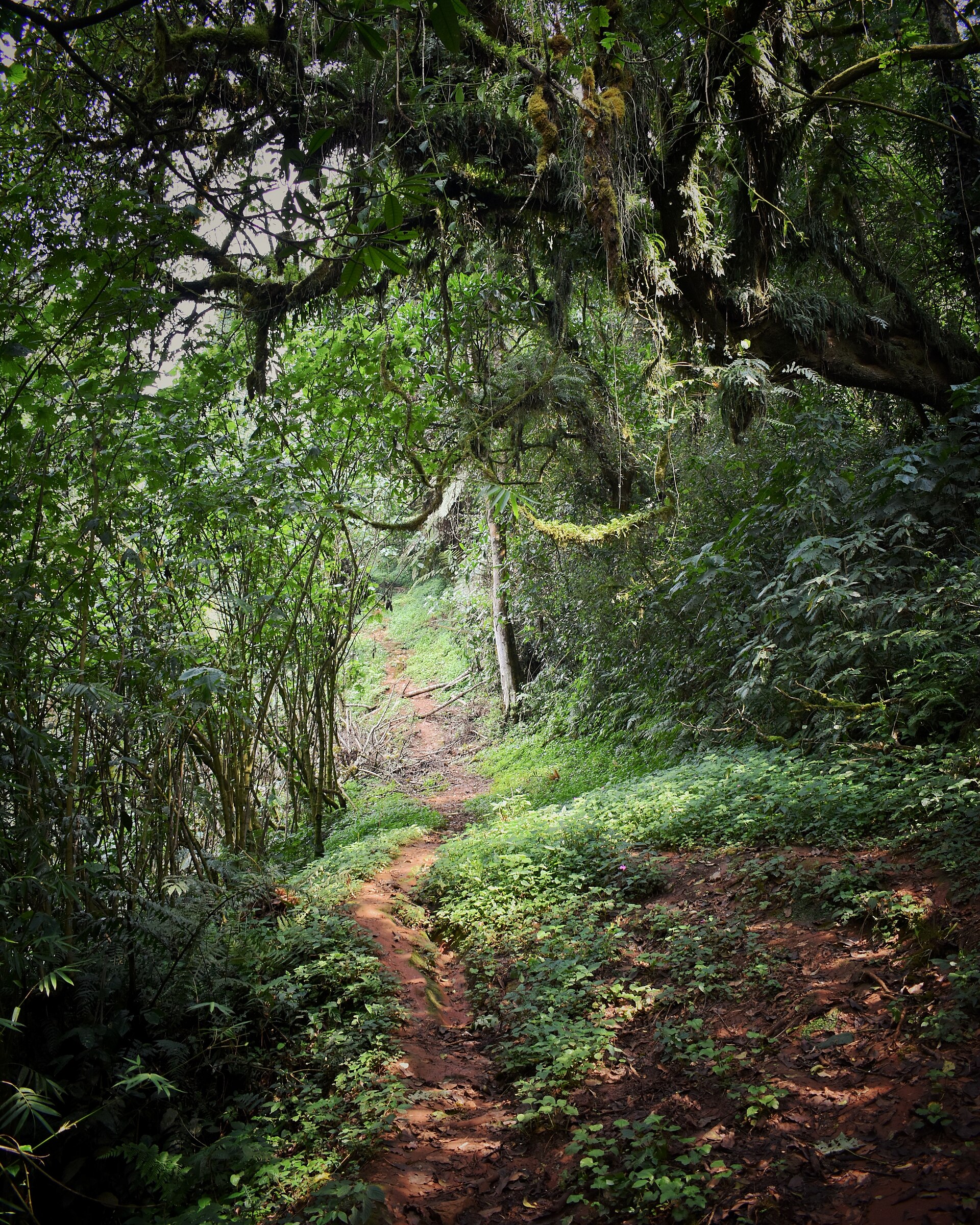
A path in the Mau Forest, photographed in 2021. The exhibition’s artworks and participants are not pictured.Bett Duncan · CC BY-SA 4.0 · Cropped
ArtThrob previews a Nairobi exhibition developed through Kairos Futura’s eight-week arts programme with young people around Kenya’s Mau Forest. Through sculpture, printmaking, wearable design and collective storytelling, participants imagine the forest in 2099, exploring ecological recovery and possible relationships between communities and their environment.
ArtThrob·
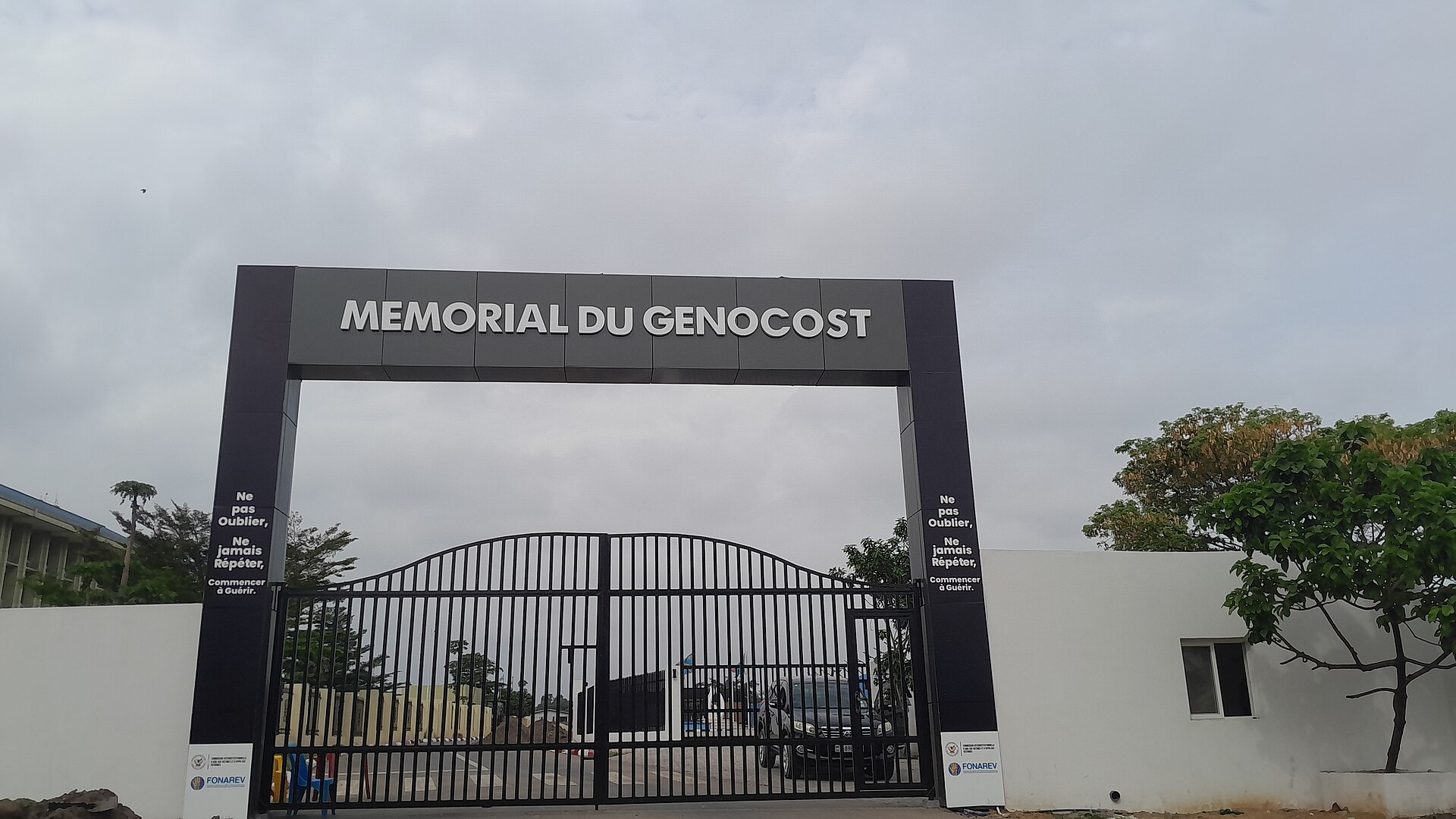
Context: entrance to Kinshasa’s Genocost memorial, photographed on 31 October 2025, not the exhibition or presentation.Alphonse Masandi · CC BY-SA 4.0
The Tobundela Congo collective has presented a portrait and a book of artists’ messages to Kinshasa’s Genocost memorial, ACP reports. Painter Noelline N’Samu describes the portrait as honouring women and survivors in eastern DR Congo. The presentation formed part of Les mémoires des vivants, a performance developed with Fonarev around remembrance, justice and peace.
Nigerian artist Jacqueline Suowari’s Art Report Africa account of the 2026 Armory Show centred on works that changed through close observation. Her selections included Dominique Zinkpè’s clustered figures, Desmond Beach’s textile portraits and Austin Uzor’s constructed, weathered materials. The essay connected artistic technique with inherited knowledge, Black representation and memories of Nigeria, showing how material choices carry stories across different practices.
Art Report Africa·
Entrance to the Mémorial du Genocost, Kinshasa, photographed in October 2025. The ELIKIA-Archéologies exhibition is not pictured. Photo: Alphonse Masandi, CC BY-SA 4.0.Alphonse Masandi · CC BY-SA 4.0
ACP reports that ELIKIA-Archéologies brings four artists from eastern DR Congo to Kinshasa’s Genocost memorial. The exhibition addresses memory, peace and resilience through visual art. Among the participants, Edith Congane uses painting and collage to explore the body as a site of memory, emphasising vitality and survival rather than reducing communities to suffering.
Six Luanda galleries are presenting new exhibitions during Noite das Artes, Novo Jornal reports. The route links Mayamba, Espaço Luanda Arte, Why Not, Palomino Artes, The Art Affair and D’Maio, with free admission and transport between venues. Organisers hope the last-Friday initiative will become a regular meeting point for artists, galleries and wider audiences.
Art Report Africa’s September 2026 exhibition roundup paired criticism from Lagos, Abuja and Paris. Sabo Kpade examined vulnerable architectural surfaces and bodily landscapes in Groundwork; Rejoice Anodo considered Dotun Popoola’s reclaimed-metal sculpture; and Nana Poulot discussed Kerry James Marshall’s treatment of Black life within history painting. Together, the accounts followed how materials and representation could carry memories beyond familiar readings of their subjects.
Art Report Africa·
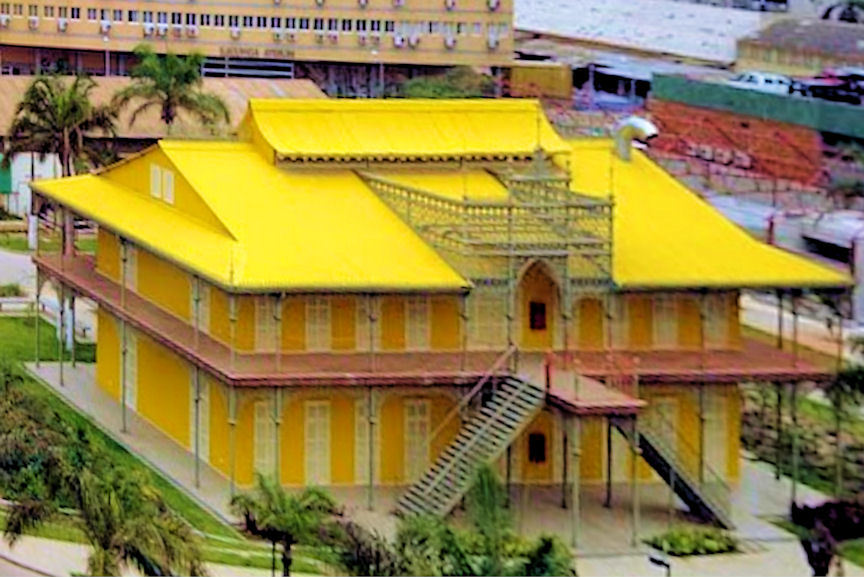
Context: Palácio de Ferro in 2011, not the 2026 film and photographic exhibition.Zorglub · CC BY-SA 3.0
Novo Jornal reports that young Angolan filmmakers created short films for an exhibition at Luanda’s Palácio de Ferro marking fifty years of diplomatic relations with France. Produced with the French embassy, the films were presented alongside photographic archives, bringing a younger generation’s audiovisual perspectives into dialogue with the history of bilateral cooperation.
Theophilus Imani examines how four African institutions bring alternative approaches to learning into the Venice Biennale. Reading installations by blaxTARLINES, RAW Material Company, G.A.S. Foundation and Nairobi Contemporary Art Institute together, his essay connects artistic practice with archives, community and reciprocal knowledge, asking how these networks can endure beyond a temporary international exhibition.
Contemporary And (C&)·
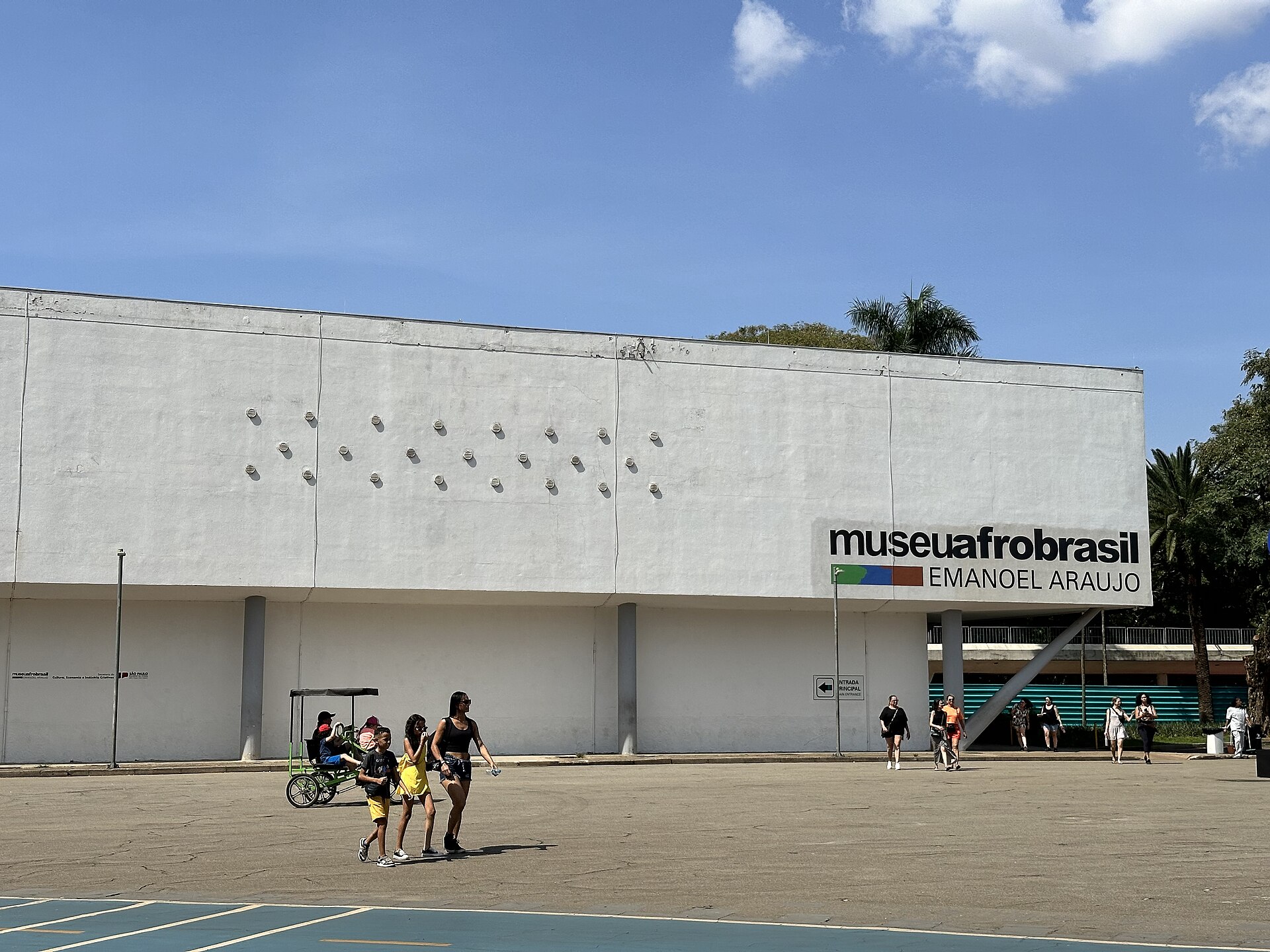
Museu Afro Brasil Emanoel Araujo in São Paulo, photographed on 16 March 2024. Venue context, not an installation view of NZO.Slyronit · CC BY-SA 4.0
São Paulo’s Museu Afro Brasil Emanoel Araujo is hosting NZO – Memórias Afro-brasileiras through February 28, 2027. The exhibition brings together the Rede de Acervos Afro-brasileiros, linking community museums, photographic collections, religious spaces and personal archives across Brazil. Shared curation highlights how Black communities preserve their histories, with material connected to figures including Lélia Gonzalez and Abdias Nascimento. The exhibition opened on September 26.
By AFROSCOPE Daily·Source: Museu Afro Brasil Emanoel Araujo·
Arnold Kufulula, photographed on 23 October 2020. Contextual author portrait, not an image of Shango et Zaïire.Congo.kin243 · CC BY-SA 4.0
Speaking to ACP, Arnold Kufulula describes Shango et Zaïire as a comic built around a father’s message to his son. Its visual storytelling brings together Kongo cosmology, oral traditions and rites of passage. The author positions the work as a means for young Congolese readers to encounter cultural memory and intergenerational responsibility.
Agence Congolaise de Presse·
Ibrahim Mahama at Art Basel in 2025. A contextual portrait of the artist, not a photograph of Voyageur in Naples.Bea Phi · CC BY-SA 4.0
Ibrahim Mahama’s Voyageur places three wooden boats upright in Naples’s Piazza Municipio, connecting Ghanaian craftsmanship with the Mediterranean port’s histories of movement. Curated by Vincenzo Trione for Napoli Contemporanea, the public installation considers labour, trade and migration through vessels whose arrested journeys turn familiar objects into carriers of memory and exchange.