Reviewing Gravity and Grace at the Brooklyn Museum, Maeve Gately examines El Anatsui’s large metal hangings and their capacity to change with each installation. The exhibition combined twelve monumental works with pieces in other materials. Her account connects the Ghanaian artist’s use of Nigerian liquor-bottle caps to West African histories of trade and consumption, while emphasizing the sculptures’ shifting surfaces and spatial presence.
Hyperallergic’s Claire Breukel considers Environment and Object: Recent African Art, a publication developed by curators Lisa Aronson and John S. Weber. She finds its attention to materials and artists’ social and ecological surroundings a useful alternative to familiar stereotypes. While valuing the historical context and an interview with Chika Okeke-Agulu, she questions the absence of contributors based at African universities among the book’s essay writers.
Rachel Wetzler reviews The Global Africa Project at New York’s Museum of Arts and Design, which brought together artists and makers connected to Africa and its diasporas. She praises the exhibition’s thematic pairing of textiles, furniture, photography and other forms for challenging artistic hierarchies. The review also questions its treatment of corporate branding and argues that its strongest achievement is resisting a single definition of African creativity.
Simon Njami's As You Like It accompanied the first Joburg Art Fair at Sandton Convention Centre in March 2008. The exhibition featured artists including Jellel Gasteli, Bili Bidjocka, Michèle Magema and Amal Kenawy. In an April review, Jacki McInnes considered its attempt to separate artworks from the meanings and prices assigned by galleries and critics. She questioned whether the selection achieved that aim, while finding the debate about artistic value worth pursuing.
ArtThrob·
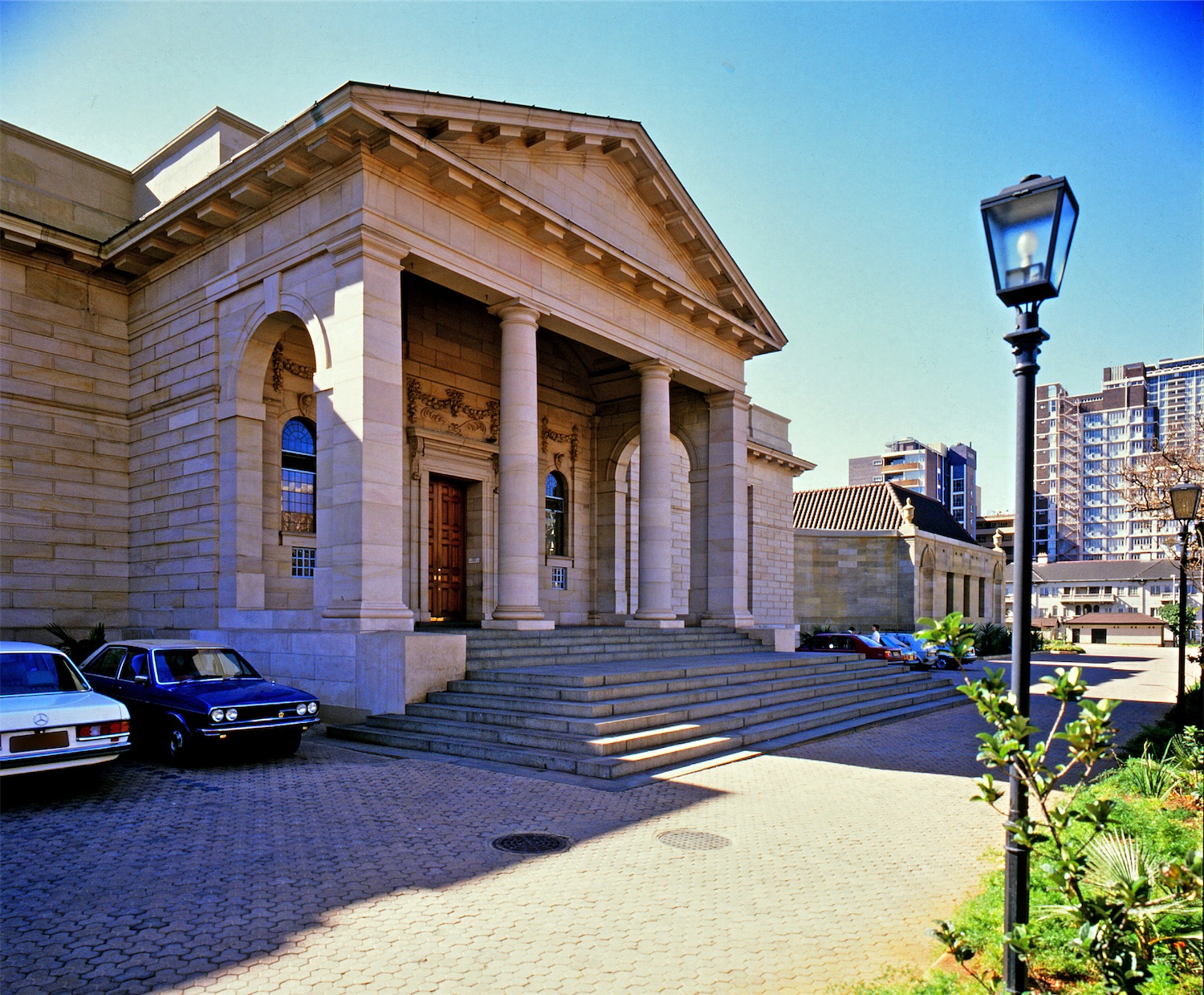
Johannesburg Art Gallery, photographed in 1988. Historical venue context, not a view of the 2007 Africa Remix exhibition. Photo: Janek Szymanowski / Wikimedia Commons, CC BY-SA 3.0.Janek Szymanowski · CC BY-SA 3.0
Africa Remix arrived at Johannesburg Art Gallery in 2007 with work by eighty-five artists from twenty-five countries, according to ArtThrob's contemporary review. Landi Raubenheimer examined how photography, video and installation unsettled familiar views of Africa and raised questions about belonging. Her discussion included Samuel Fosso, Zineb Sedira, Joël Andrianomearisoa and Moataz Nasr. The review records the exhibition's South African presentation, listed for 24 June to 30 September, rather than its earlier overseas tour.
ArtThrob·
Johannesburg Art Gallery, photographed in 1988. Historical venue context, not a view of the 2005 Dumile Feni retrospective. Photo: Janek Szymanowski / Wikimedia Commons, CC BY-SA 3.0.Janek Szymanowski · CC BY-SA 3.0
A 2005 Johannesburg Art Gallery retrospective brought together Dumile Feni's work from South Africa, London and the United States. Curated by Prince Dube, it combined drawings and other artworks with films, interviews and photographs. Reviewing the exhibition, Jacqui Brener welcomed the renewed attention to Feni's career and exile, while arguing that a more selective presentation could have made the extensive display easier to follow. The exhibition was scheduled to close on 10 April.
Illuminando Vidas brought photographs of Mozambique made between 1950 and 2001 to Johannesburg's Bensusan Museum of Photography. The presentation included thirty-six images by sixteen photographers, among them Ricardo Rangel and Kok Nam. Robyn Sassen's review recognised its range, from war and racism to everyday pleasure, but criticised the limited contextual material available to visitors. Published in April 2005, the review records an exhibition that had already closed on 20 February.
ArtThrob·
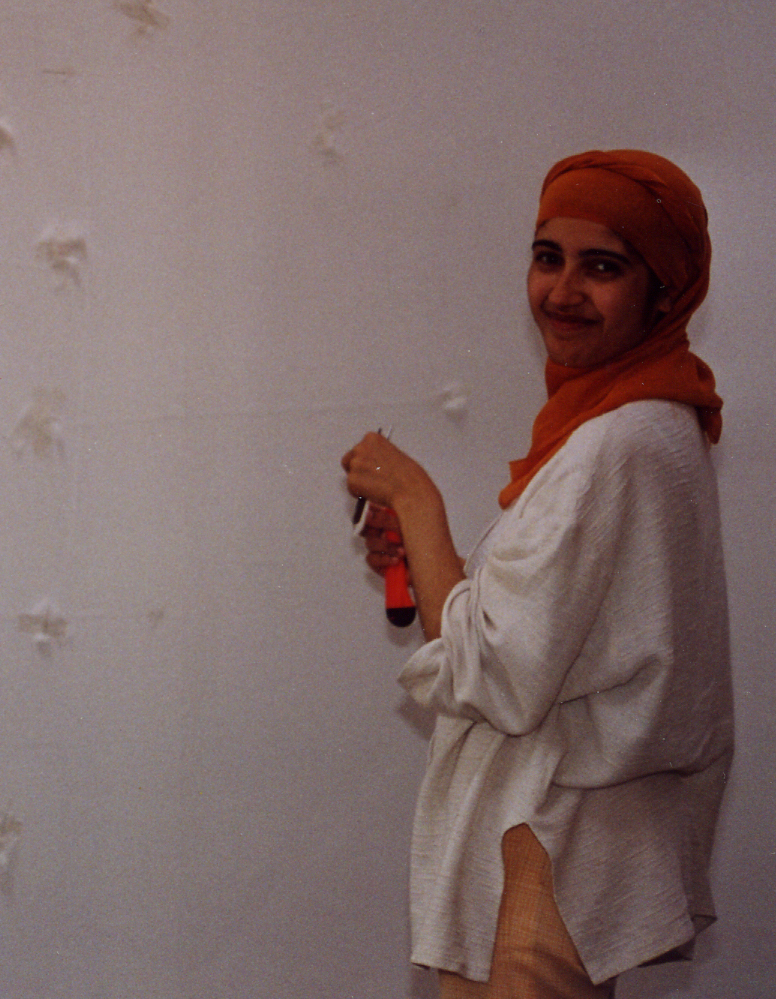
Safaa Erruas at Dak’Art 2002, as documented by photographer Iolanda Pensa.Iolanda Pensa · CC BY-SA 3.0
Maureen Murphy examines the debates over identity and artistic freedom at Dak’Art 2002. Her account follows curatorial arguments and works by artists including Moataz Nasr, Ndary Lo and Safaa Erruas, while considering the biennial’s exchanges across Dakar and the continuing need for cultural infrastructure beyond the festival.
Africultures·
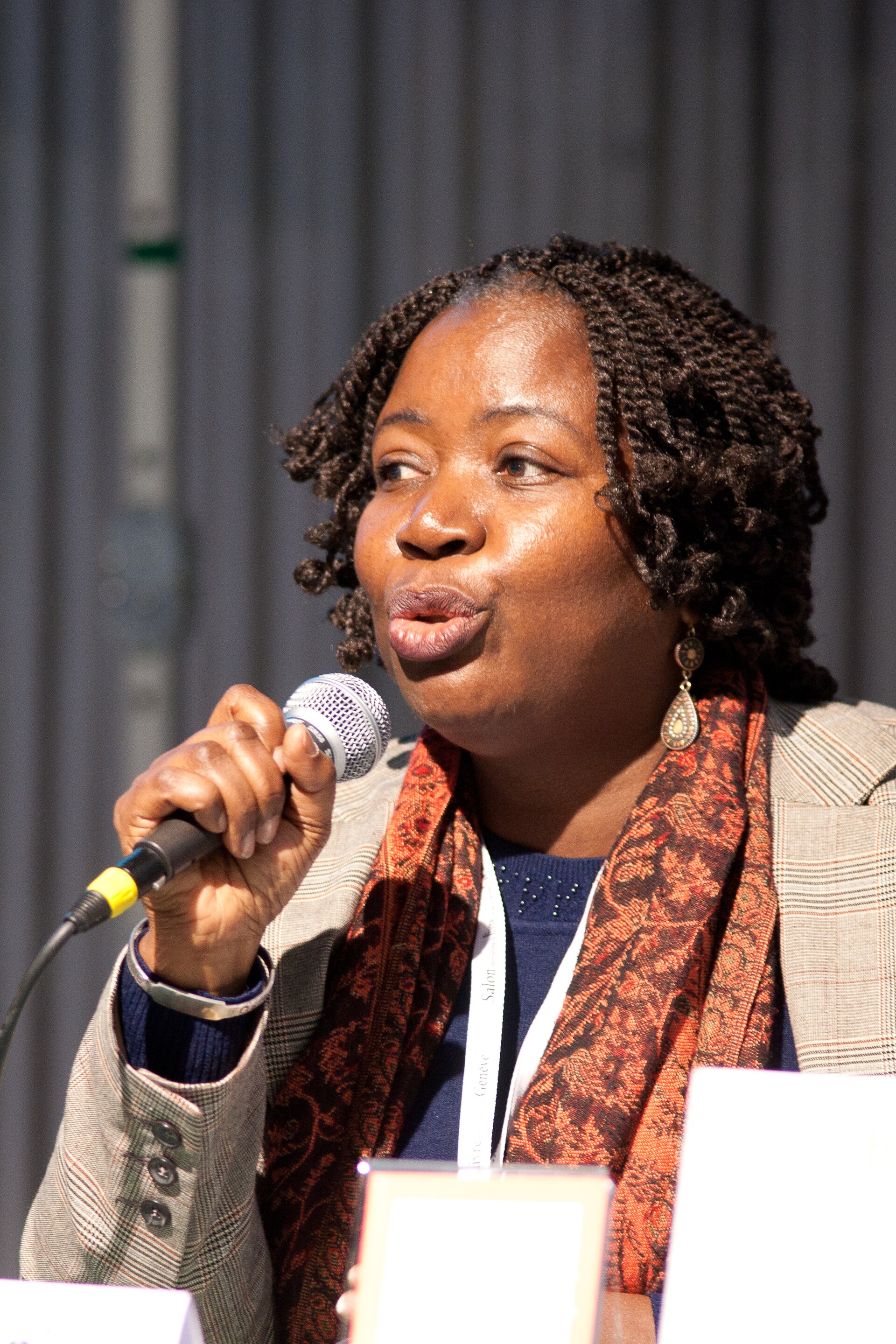
Tanella Boni at the Geneva Book Fair in 2012. Contextual portrait of the critic; not a photograph of Dak’Art 2000.Ludovic Péron · CC BY-SA 3.0
Two Africultures critics offer different readings of Dak’Art 2000. Tanella Boni emphasizes encounters, women artists and the biennial’s international dialogue, while acknowledging disputes over painting and installation. Iba Ndiaye Diadji challenges the curatorial direction and argues that Dakar’s biennial deserves better. Together, the reports document a contested moment rather than a single consensus.
Africultures·
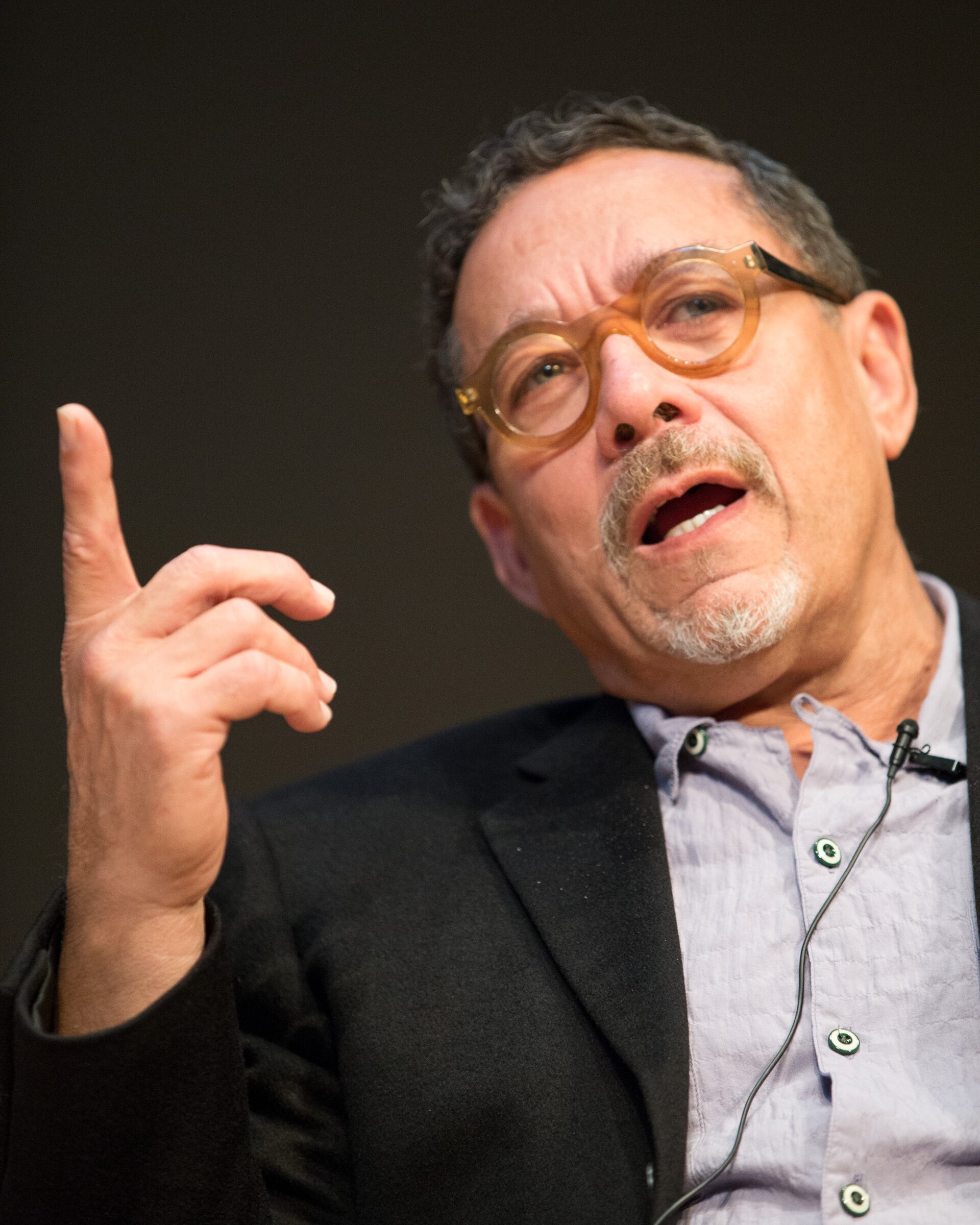
Edouard Duval-Carrié in 2014. Contextual portrait; not a photograph of the 2000 exhibition.Kenneth C. Zirkel · CC BY-SA 3.0
Alexandre Mensah and Jacques Binet review Haiti, anges et démons at the Halle Saint Pierre in Paris. Their account highlights the variety of Haitian painting, including work by Edouard Duval-Carrié, Frantz Lamothe, Mario Benjamin and Elodie Barthélémy, and considers how the exhibition challenges narrow categories applied to these artists.