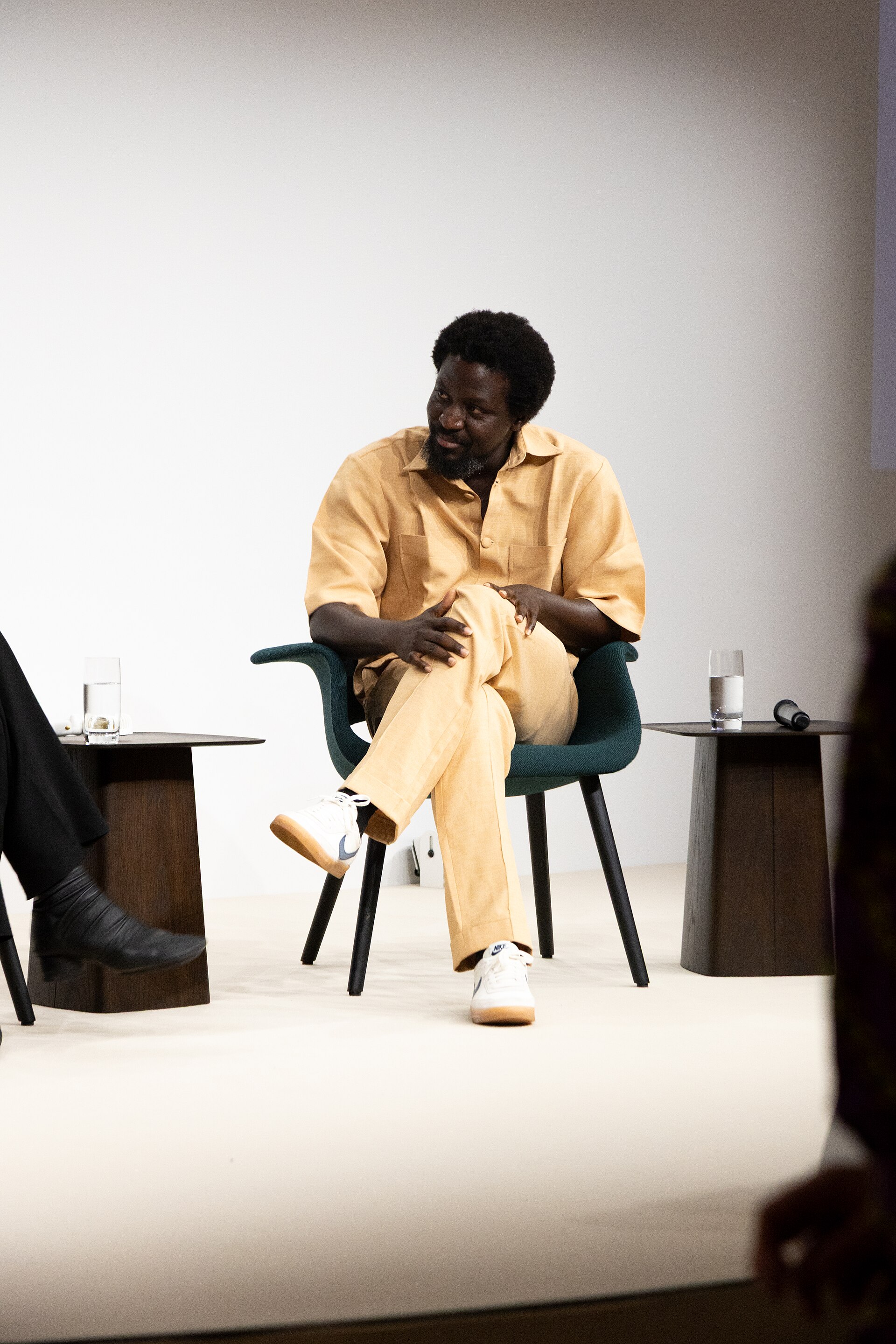
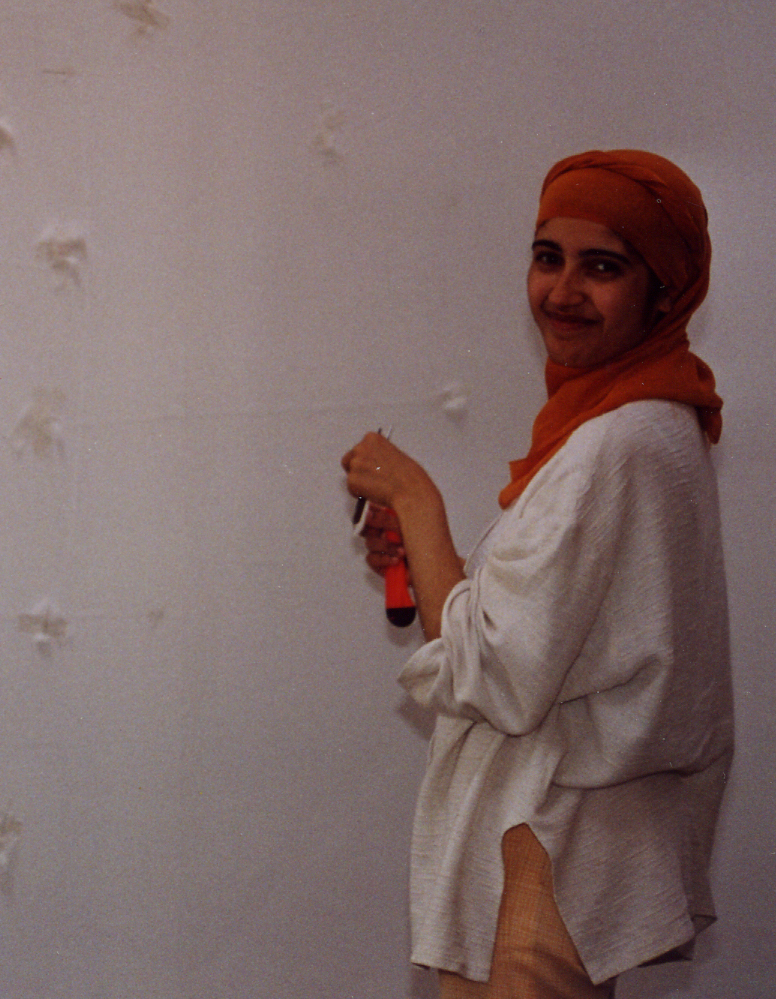
Ibrahim Mahama at Art Basel in June 2025, accompanying this 2022 archive feature. His Tamale institutions are not pictured.Bea Phi · CC BY-SA 4.0 · Cropped
Azu Nwagbogu examines Ibrahim Mahama’s institution-building in Ghana, focusing on spaces for experimentation, learning and public participation. The ArtReview feature considers the Savannah Centre for Contemporary Art and Red Clay in Tamale, relating the artist’s infrastructure projects to wider debates about what museums can do.
ArtReview·
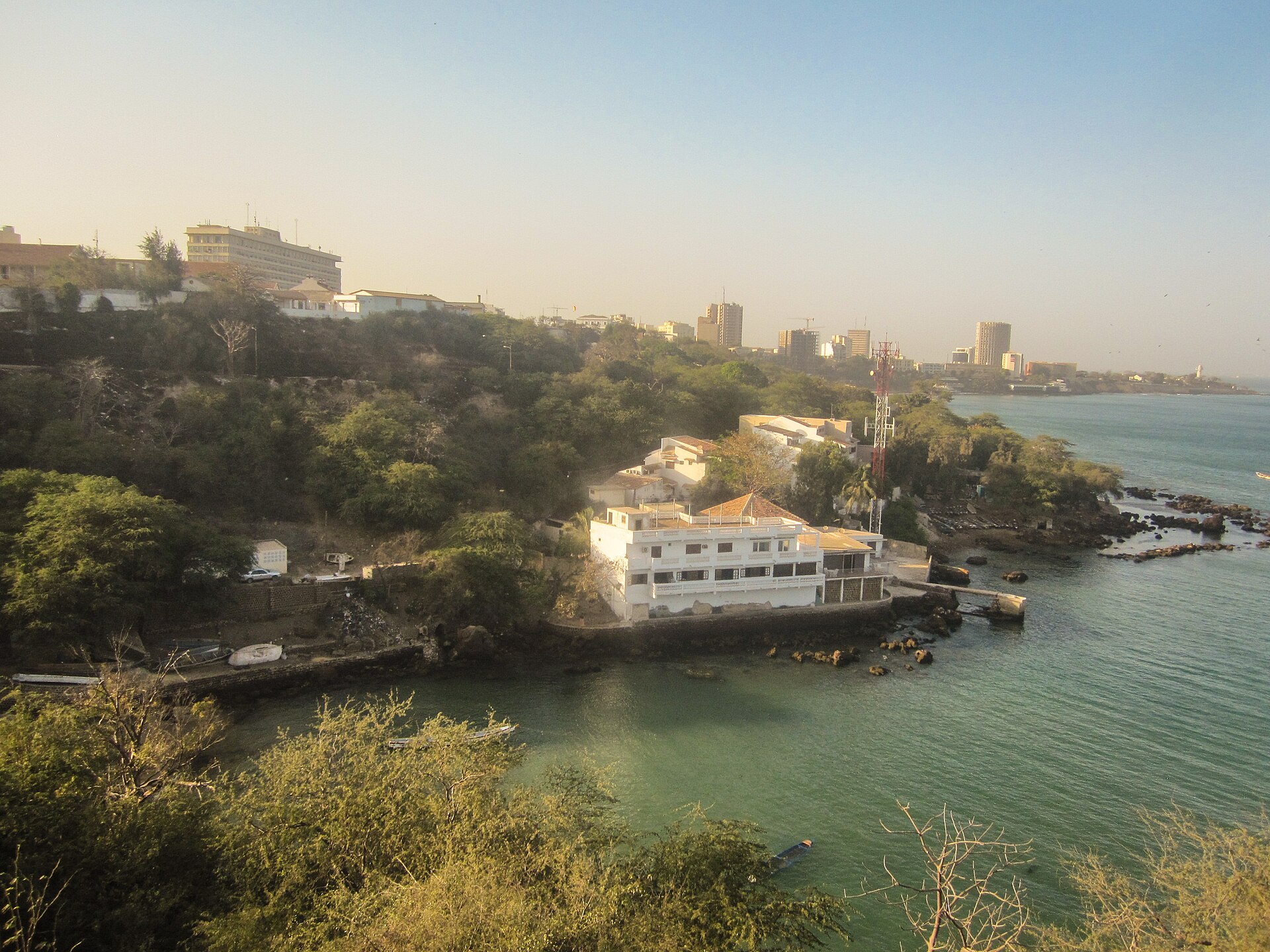
Dakar’s Corniche Est, photographed in 2013. This is an archival city view, not a photograph of the 2022 biennale.jbdodane · CC BY 2.0 · Cropped
ART AFRICA outlines plans for the postponed fourteenth Dakar Biennale under the theme Ĩ NDAFFA #, associated with forging and transformation. The announcement describes an international exhibition, invited curators and projects extending into Dakar’s public spaces, alongside programmes intended to engage audiences across Senegal.
In an ArtReview interview ahead of the 2022 Venice Biennale, curator Nana Oforiatta Ayim discusses Ghana’s pavilion with Na Chainkua Reindorf, Afroscope and Diego Araúja. She describes the artists as creators of distinct imagined worlds and sees Venice as a setting for exchanging locally rooted narratives. Her account links the new presentation to the interest generated by Ghana’s first pavilion in 2019, while resisting the idea of a single national artistic tradition.
In a conversation published by ART AFRICA in March 2020, artist Francois Knoetze and curator Oulimata Gueye discussed Core Dump, a four-part sculpture and video project made across Dakar, Kinshasa, Shenzhen and New York. They linked digital technologies to mineral extraction, electronic waste and colonial power, while exploring how African cinema, mythology and speculative storytelling might challenge assumptions about progress and imagine different social relationships.
In a March 2020 ART AFRICA interview with Sasha Gankin, Bonaventure Soh Bejeng Ndikung reflected on the twelfth Rencontres de Bamako. He connected photography with sound, memory and African diasporic movement, while describing efforts to print work locally and distribute exhibitions across the city. The account presented local production and broader access as practical curatorial choices, documenting the ambitions and difficulties of the biennale’s twenty-fifth-anniversary edition.
ART AFRICA·
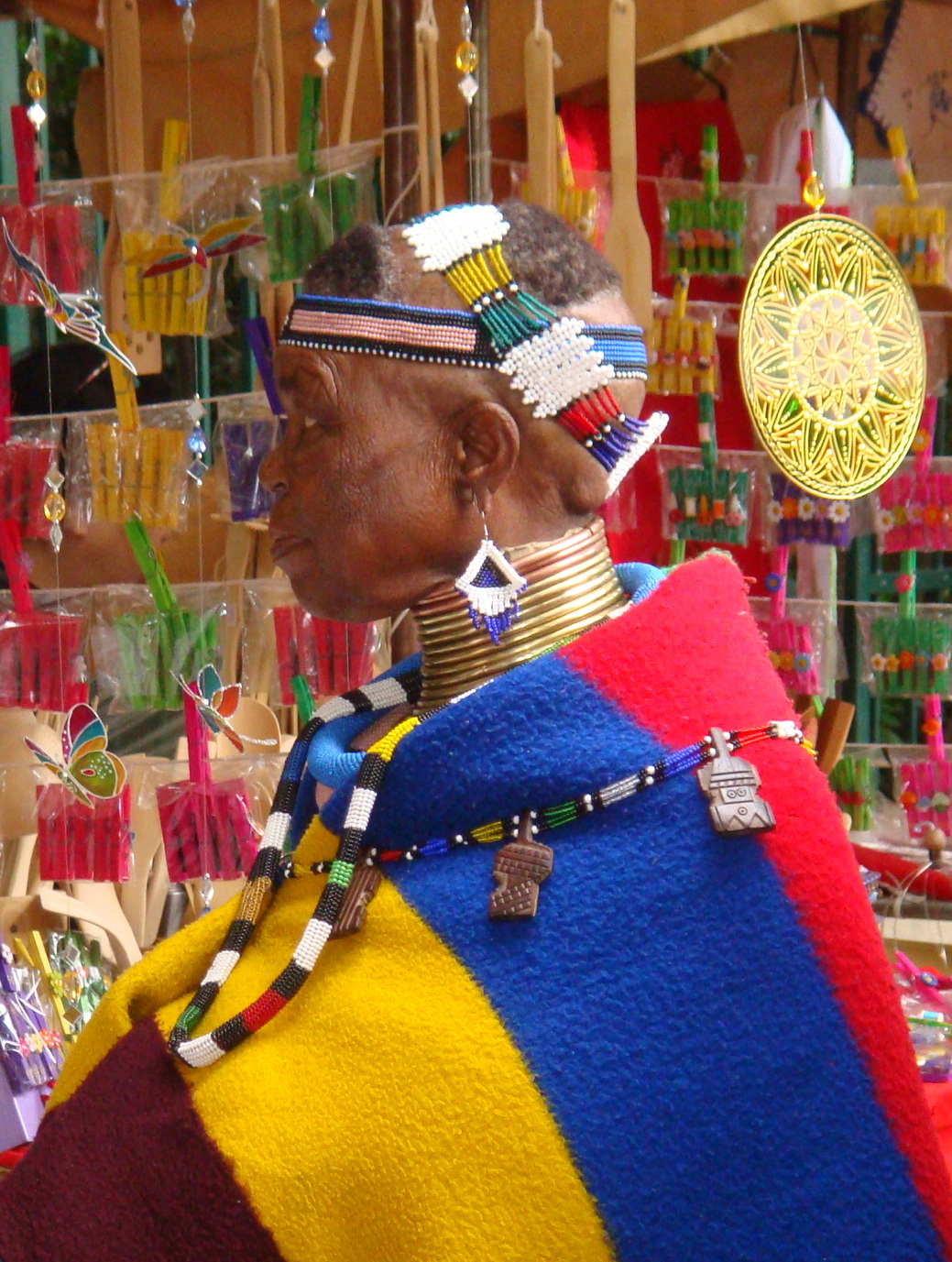
Esther Mahlangu, 2009. Photo: Claudia_midori, CC BY 2.0; cropped by HenriDavel.Claudia_midori · CC BY 2.0 · Cropped
In their March 2020 ART AFRICA editorial, Suzette and Brendon Bell-Roberts connected the issue’s exhibitions and interviews through questions of home and belonging. Their overview moved from Bamako photography and Ségou’s cultural festival to Esther Mahlangu, Mohamed Melehi and François Knoetze. Rather than a single event report, the editorial recorded a cross-regional conversation about migration, identity and the places where artistic communities gather.
ART AFRICA·
Abdoulaye Konaté, one of the artists named in the 2020 Ségou’ Art–Festival sur le Niger programme, photographed on 5 February 2020.KAG1LP2MDIAKITE · CC BY-SA 4.0
ART AFRICA’s preview of the sixteenth Ségou’ Art–Festival sur le Niger described a Malian programme focused on migration, identity and social cohesion. Contemporary exhibitions and artist-led masterclasses sat alongside music, traditional cultural events and a symposium. Artists including Abdoulaye Konaté, Amahiguéré Dolo and Cheick Diallo were named in a programme intended to connect emerging visual artists, established practitioners and wider audiences.
In January 2020, ArtReview reported Yinka Shonibare’s plans for the Guest Artists Space Foundation, with residency sites in Lagos and Ijebu, Ogun State. Building on his London-based Guest Projects initiative, the proposal aimed to foster exchange between artists in Nigeria and international participants. Plans included studios, accommodation and a gallery in Lagos, alongside a rural site on a farm. The article described an intended programme, rather than confirming that either residency had opened.
Tajudeen Sowole previews Segun Aiyesan’s Dymentiona at Thought Pyramid Art Centre in Lagos, a 2019 exhibition bringing together 35 paintings, sculptures and hybrid works. The Port Harcourt-based artist uses textured surfaces and figurative and abstract compositions to explore human relationships with nature, inner life and survival. The report situates these works within his continuing experiments with canvas and records the exhibition’s scheduled closing date of 8 December 2019.
London’s October Gallery presented new work by El Anatsui from 4 February to 2 April 2016, following his Venice Biennale lifetime-achievement award the previous year. The exhibition continued his exploration of large sculptures assembled from discarded aluminium bottle tops. C&’s advance listing and the gallery’s archive place the show within a practice shaped by decades of sculpture and teaching in Nigeria.
Reporting from Dak’Art in 2014, Basia Lewandowska Cummings followed the OFF programme through hospitals, restaurants, studios and other spaces beyond conventional galleries. Her C& review describes encounters with Issa Samb’s studio and digital-art activity at Kër Thiossane. It presents the sprawling fringe as a way of connecting artistic work with Dakar’s everyday life, while questioning who gains visibility through the biennial system.
A 2013 C& feature by Jonathan Fine examined Nigerian exhibition pamphlets held by London’s Stuart Hall Library. Its bibliography brings together records from the late 1980s and early 1990s, including publications featuring El Anatsui, Ndidi Dike and Obiora Udechukwu. Fine argues that these easily overlooked documents preserve information about artistic networks and working conditions that more prominent publications can miss.
The eighth Bamako Encounters brought work by more than 100 African photographers to venues across Mali’s capital around the theme of borders. Kerryn Greenberg’s review traced migration, war, trade, sexuality and social exclusion through works by Jodi Bieber, Bouchra Khalili, Baudouin Mouanda, Zanele Muholi and others. It praised the biennial’s artist-centred scale while questioning visa barriers, uneven curation and the difficulty of engaging local audiences.
ART AFRICA·
Safaa Erruas at Dak’Art 2002, as documented by photographer Iolanda Pensa.Iolanda Pensa · CC BY-SA 3.0
Maureen Murphy examines the debates over identity and artistic freedom at Dak’Art 2002. Her account follows curatorial arguments and works by artists including Moataz Nasr, Ndary Lo and Safaa Erruas, while considering the biennial’s exchanges across Dakar and the continuing need for cultural infrastructure beyond the festival.
Africultures·
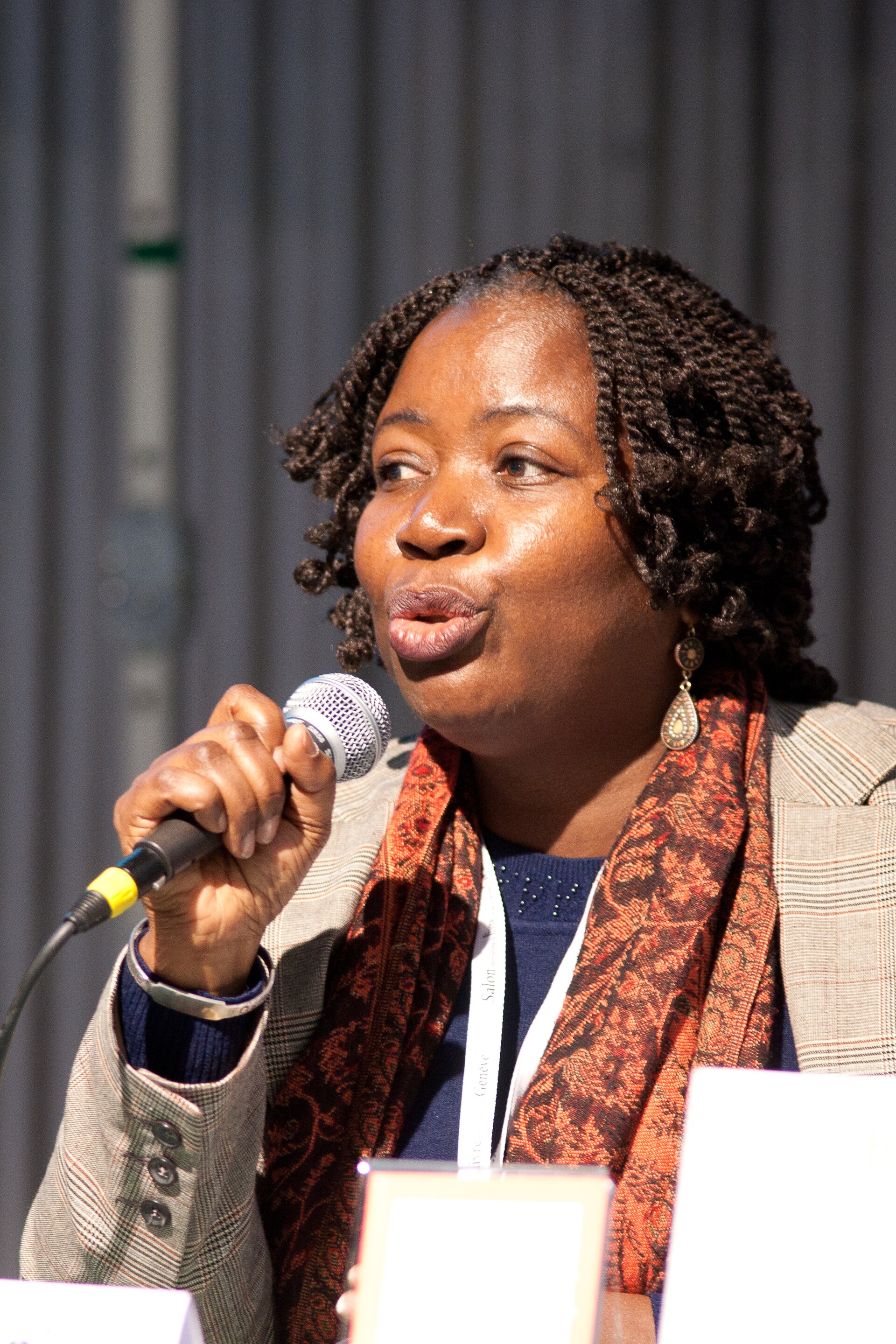
Tanella Boni at the Geneva Book Fair in 2012. Contextual portrait of the critic; not a photograph of Dak’Art 2000.Ludovic Péron · CC BY-SA 3.0
Two Africultures critics offer different readings of Dak’Art 2000. Tanella Boni emphasizes encounters, women artists and the biennial’s international dialogue, while acknowledging disputes over painting and installation. Iba Ndiaye Diadji challenges the curatorial direction and argues that Dakar’s biennial deserves better. Together, the reports document a contested moment rather than a single consensus.
Daniel Kondor reports on the third Bamako photography encounters, where Ghana received special attention and North African participants joined for the first time. Studio portraiture, initiation rituals and images of postwar Mozambique offered competing accounts of contemporary African life, while discussions exposed photographers’ uneven access to digital technology.
Erika Nimis looks beyond Bamako’s international photography showcase to the working lives of local image-makers. Her report examines scarce materials, commercial portraiture and the ambitions of Alioune Bâ, the Djaw collective and street photographer Arouna Diarra, revealing how artistic experimentation and everyday livelihoods intersect in the city.